every one is able to know what's going on all or world
Author: Emmi M,abu baker
Highly accomplished and professional Arabic Teacher with an exemplary teaching and academic service record. Committed to promoting bilingualism and multicultural awareness as cornerstones of higher education. Able to handle both teaching and committee duties with high professionalism.
Core Qualifications
Exceptional proficiency in speaking and writing the Arabic language
Strong knowledge of techniques in teaching Arabic according to sequential language learning model
Excellent grasp of second-language acquisition theoretical principles
Outstanding abilities in working with a diverse faculty in a collegial and professional manner
Superior oral and written communication skills
Sound Arabic-to-English translation abilities
WASHINGTON: The US economy likely lost a staggering 22 million jobs in April, in what would be the steepest plunge in payrolls since the Great Depression and the starkest sign yet of how the novel coronavirus pandemic is battering the world’s biggest economy.
A report that is closely watched in any given month but especially so now with non-essential businesses in mandatory shutdowns nationwide to contain the coronavirus, the Labour Department’s monthly employment report on Friday is also expected to show the jobless rate surging to at least 16% last month. That would shatter the post-World War Two record of 10.8% touched in November 1982.
The numbers will likely strengthen analysts’ expectations of a slow recovery from the recession caused by the pandemic. It would add to a pile of bleak data on consumer spending, business investment, trade, productivity and the housing market in underscoring the devastation unleashed by lockdowns imposed by states and local governments in mid-March to slow the spread of COVID-19, the respiratory illness caused by the virus.
The economic crisis spells trouble for President Donald Trump’s bid for a second term in the White House in November’s election. After the Trump administration was criticised for its initial reaction to the pandemic, Trump is eager to reopen the economy, despite a continued rise in COVID-19 infections and dire projections of deaths.
“Our economy is on life support now,” said Erica Groshen, a former commissioner of the Labour Department’s Bureau of Labour Statistics. “We will be testing the waters in the next few months to see if it can emerge safely from our policy-induced coma,” added Groshen, who is now a senior extension faculty member at the Cornell University School of Industrial and Labour Relations.
The historic dive in April nonfarm payrolls predicted in a survey anticipates job losses in nearly all sectors of the economy, with larger layoffs in the leisure and hospitality industry – mainly restaurants and bars. It would follow the shedding of 701,000 jobs in March, which ended a record streak of employment gains dating to October 2010. Estimates in the survey ranged to as much as a loss of 35 million. Forecasts for April’s unemployment rate, which was at 4.4% in March, were as high as 22%. There is great uncertainty surrounding last month’s estimates because of the nature and speed of the job losses.
A total of 26.5 million people had filed claims for jobless benefits and 16.2 million were on unemployment rolls through the week of April 12, when the government canvassed establishments and households for payrolls and the unemployment rate. Eligibility for unemployment benefits has been greatly expanded to include contractors and gig workers among others, overwhelming local employment offices with applications and leading to backlogs. Economists believe the numbers of people applying for unemployment aid and those continuing to receive benefits are understated.
Meanwhile, some people might be filing more than one claim, and workers whose hours have been cut because of COVID-19 can also seek unemployment benefits.
GREAT UNCERTAINTY
Some workers who have filed claims have likely since found employment, with companies like Walmart and Amazon hiring workers to meet huge demand in online shopping. Truck drivers are also in demand, while supermarkets, pharmacies and courier companies need workers. According to the Labour Department’s Bureau of Labour Statistics, which compiles the employment report, a person has to be looking for work and available to do it to be considered unemployed.
“This means many workers who lose their job as a result of the virus will be counted as dropping out of the labour force instead of as unemployed because they are unable to search for work due to the lockdown, or because they are not available to work because they are, for example, caring for children whose school has closed,” said Heidi Shierholz, a former chief economist at the Labour Department.
Furloughed workers and others who expect to return to their jobs within 6 months are counted as unemployed on temporary layoff. A drop in the labour force participation rate, or the proportion of working-age Americans who have a job or are looking for one, could blunt some of the anticipated surge in the unemployment rate in April.
To get a clearer picture, economists will focus on a broader measure of unemployment, which includes people who want to work but have given up searching and those working part-time because they cannot find full-time employment.
April could, however, mark the trough in job losses as more small businesses access their portion of an almost $3 trillion fiscal package, which made provisions for them to get loans that could be partially forgiven if they were used for employee salaries. The Federal Reserve has also thrown businesses credit lifelines and many states are also partially reopening.
Still, economists do not expect a quick rebound in the labor market. “Given the expected shift in consumer behaviour reflecting insecurities regarding health, wealth, income, and employment, many of these firms will not reopen or, if they do reopen, hire fewer people,” said Steve Blitz, chief economist at TS Lombard in New York. “This is one reason why we see the underlying recession extending through the third quarter.”
Economists say the economy entered recession in late March, when nearly the whole country went into COVID-19 lockdowns. The National Bureau of Economic Research, the private research institute regarded as the arbiter of US recessions, does not define a recession as two consecutive quarters of decline in real gross domestic product, as is the rule of thumb in many countries. Instead, it looks for a drop in activity, spread across the economy and lasting more than a few months.
The growth of Islam in the seventh century sparked a golden age of scientic discovery. Building on the wisdom of ancient civilizations, Muslim doctors pushed the boundaries of medical science into bold new places. SANCHO I, RULER of the kingdom of Léon in the north of modern-day Spain, was overthrown by rebel nobles in A.D. 958. […]
The growth of Islam in the seventh century sparked a golden age of scientic discovery. Building on the wisdom of ancient civilizations, Muslim doctors pushed the boundaries of medical science into bold new places.
SANCHO I, RULER of the kingdom of Léon in the north of modern-day Spain, was overthrown by rebel nobles in A.D. 958. Their motive, even by the turbulent politics of the day, was an unusual one: The king was unable to fulfill his regal duties with dignity, the rebels said, because he was too fat.
The relatives of Sancho acted quickly to restore his power. In an example of the lively interchange of ideas and loyalties in multicultural, medieval Spain, his grandmother, Queen Toda Aznar of the Christian kingdom of Navarra, sought help from another Spanish kingdom deep in Spain’s south: the Muslim Caliphate of Córdoba. Queen Toda approached Córdoba’s great ruler, the caliph ’Abd al-Rahman III, with two bold requests: help with a cure for her grandson’s morbid obesity and military support to regain the throne.
The caliph put the first matter in the hands of Hisdai ibn Shaprut, his Jewish physician, who put the Leonese king on a strict diet. Once Sancho slimmed down enough to be able to ride properly, he reclaimed his lost crown with the help of Muslim troops.
Physicians from Islamic countries during the late Middle Ages enjoyed great respect. Their reputation was well deserved, for the study and practice of medicine was then led by Muslim societies across their immense territory, which extended from modern-day southern Spain to Iran.
GOLDEN AGE OF KNOWLEDGE
Curative Arabic talisman. Oriental Institute, NaplesPHOTOGRAPH BY ORONOZ/ALBUM
Seventh Century After the Prophet Muhammad’s death in 632, Islam expands beyond Arabia to Persia, Palestine, Syria, Lebanon, Iraq, and North Africa.
Eighth Century Caliph Harun al-Rashid founds the House of Wisdom in Baghdad. The city’s scholars translate many ancient manuscripts and medical texts.
Ninth Century Al-Razi (Rhazes) is born in Persia. Physician, chemist, and teacher, he writes many important medical works later translated into Latin and Greek.
10th Century Surgeon Al-Zahrawi (Abulcasis) is born in Córdoba. Inventor of many medical instruments, he writes the first illustrated surgical book.
11th Century In Baghdad, Ibn Sina (Avicenna) writes the Canon of Medicine, a five-volume work encompassing all known medical knowledge of the time.
12th Century Ibn Rushd (Averroës) is born. Philosopher, astronomer, and physician, he writes a medical encyclopedia known as the Colliget in Latin.
14th Century Ottoman Serefeddin Sabuncuoglu is born. A surgeon, he creates illustrated works showing the advanced procedures of Muslim medicine.
In the Beginning
Before the message of the Prophet Muhammad spread beyond the Arabian Peninsula, local medical attitudes were based on the words of the founder of Islam: “Make use of medical treatment, for Allah has not made a disease without appointing a remedy for it, with the exception of one disease: old age.”
Early Muslim medicine drew on traditional practices from the region, some dating back to ancient Mesopotamia and ancient Babylon in the third millennium B.C. Traditional natural remedies, such as the use of honey or olive oil, and the use of suction cups (hijama) are still used today in many Islamic countries and around the world to treat ailments.
An indicator of health in this early Muslim society was one’s dreams. Muhammad ibn Sirin, working in what is today Iraq, composed a great Arabic work, Tabir al-Anam, on dream interpretation in the eighth century. Its main source was Oneirocritica—The Interpretation of Dreams—written by the Greek author Artemidorus Daldianus some 500 years earlier. In addition to this early form of psychological therapy, rituals and talismans appeared in medical treatises. Islam did not reject these practices outright and “benign” magic was lawful, provided certain rules were followed.
In 622 the Prophet Muhammad departed from Mecca for Medina, and that year marks the beginning of the Islamic calendar. Just two centuries later, his successors, the caliphs, had extended their domains eastward toward Iran and India, and westward along the coast of North Africa and Europe. Although Arabian medicine spread with Islam, its rulers were also keen to absorb the wisdom of other cultures, especially the Greco-Roman culture preserved in Egypt and the Near East. They sought to lay claim to the knowledge of philosophy, technology, and medicine, sometimes referred to as the “science of the ancients.”
HEALING WITH ANIMALS ISLAMIC MEDICINE HAD SOME ROOTS IN FOLK REMEDIES THAT USED ANIMALS’ ORGANS. MANY MANUSCRIPTS DREW ON THESE TRADITIONS, SUCH AS BOOK ON THE USEFULNESS OF ANIMALS BY THE 14TH-CENTURY SYRIAN SCHOLAR IBN AL-DURAYHIM. AVICENNA ALSO WROTE OF THE USE OF BIRDS’ WINGS, PIGEON’S BLOOD, AND DONKEY’S LIVER AS CURES FOR CERTAIN MALADIES.
“The viper is skinned and dried [to become] a hair-removal paste. If its ashes are mixed with vinegar and smeared on erysipelas [a skin infection] they cure it, and hemorrhoids too.”
Snake miniature, 14th century edition, from Marvels of Creation, by al-QazwiniPHOTOGRAPH BY AKG/ALBUMHARE
“Hare rennet drunk with pure wine is good for fever. Mix it with marshmallow and oil and rub it on an arrowhead to remove it … When given to a woman, she becomes pregnant.”
Hares miniature, 14th century, Panchatantra, Collection of Indian Fables.PHOTOGRAPH BY AKG/ALBUMCAMEL
“He who drinks its milk and urine in the springtime will be cured of liver pain and tumors of the liver and navel. It also softens hardness of the spleen when drunk with mandrake milk and… Read MorePHOTOGRAPH BY AKG/ALBUMHERON
“Split a heron’s testicles, sprinkle salt over them, dry them and crush them. Then mix them with sea foam, lizard excrement and sugar in equal parts. It removes leucoma when used as eye… Read MorePHOTOGRAPH BY ORONOZ/ALBUMHORSE
“Horse bile mixed with myrrh, lavender, resin, and incense … benefits those who urinate blood. When horse sweat is mixed with mare’s milk and given to a pregnant woman, she will… Read More PHOTOGRAPH BY ORONOZ/ALBUM
The Old Wisdom
As Islam expanded, the cities where Greek science had flourished came under Muslim control. These included Alexandria in Egypt and Edessa in modern-day Turkey. On the eastern bounds of Islam, Gondeshapur in Persia had become a center for Greek medicine and learning after scholars migrated there in A.D. 529, following the decision of the emperor Justinian to close the Academy in Athens. The new Muslim elites who occupied Gondeshapur were determined to revive, absorb, and spread what they saw as this lost learning. They also wanted to build on it.
Greek science became the basis for the development of Arabic medicine. The early theoretical basis of Islamic medicine drew on the Greek and Roman theory of humors, attributed to Hippocrates, writing in the fourth century B.C. The system of humors divides human fluids into four basic types: blood, phlegm, yellow bile, and black bile. The balance between each one determines whether an individual is sick or well. Patients became depressed, for example, because of a surfeit of black bile. The combination, in Greek, of the words for “black,” melanin, and “bile,” khole, is the root of the word “melancholy.” Sanguine, phlegmatic, or choleric temperaments likewise suffered from an imbalance in the other humors. Health could be restored by rebalancing them with diets and purges, and explains the importance that Islamic medicine placed on hygiene and diet.
Gifted translators gave the Muslims access to these Greek and Latin texts. Scholars such as Yahya ibn Masawayh (known in the West as Ioannis Mesue) and his student, Hunayn ibn Ishaq (known as Johannitius in Latin) produced over 50 translations alone. Both men were Syrian Nestorians, a denomination of Christianity considered heretical in the eastern Roman Empire, and had been forced to flee to Persia.
Their ability to speak several languages—including Greek and Syriac (a Semitic language close to Arabic)—was in high demand. In other cities across the new Islamic world, Muslim patrons hired these men. The caliph Al-Ma’mun of the Abbasid dynasty in Baghdad put Hunayn ibn Ishaq in charge of the translators at the city’s famous Bayt al-Hikma, or House of Wisdom.
MUSLIM MEDICAL SCHOOLS
A doctor visits a patient in this vibrantly colorful miniature from a 14th-century Persian copy of the Maqamat, held in the collection of the Austrian National Library in Vienna.PHOTOGRAPH BY BRIDGEMAN/ACI
The most important institution for imparting knowledge about medicine and other disciplines was the madrassa, a school built in, or alongside, a mosque. Many madrassas became highly specialized academies, often with close links to hospitals. Notable hospitals were in Cairo, Harran (in modern-day Turkey), and Baghdad, where students would often visit patients to observe their treatment at the hands of qualified doctors, in much the same way as medical interns and residents do today. A basic part of theoretical training was learning summaries in verse form, such as Avicenna’s Poem of Medicine. There were also question-and-answer drills on medical compendia, such as the Paradise of Wisdom, compiled by Ali ibn Rabban al-Tabari around 850.
By the 900s, drawing from a growing body of Greek, Persian, and Sanskrit works translated into Arabic, Islamic medicine quickly became the most sophisticated in the world. Christians, Jews, Hindus, and scholars from many other traditions, looked to Arabic as a language of science. Doctors of different faiths worked together, debating and studying with Arabic as the common tongue.
The Abbasid Caliphate of Baghdad enjoyed a long period of intellectual experimentation that lasted throughout the 10th and 11th centuries. Among its many glittering figures was Al-Razi, known in Latin as Rhazes, a Persian pharmacologist and physician who ran the hospital in Baghdad. But the brightest star in the Baghdad firmament was undoubtedly the extraordinary Ibn Sina, known in the West as Avicenna. Already a doctor at age 18, his great volume Al-Qanun fi al-Tibb—Canon of Medicine—became one of the most famous medical works of all time, and an extraordinary exercise in the bringing together of different disciplines and cultures. Avicenna’s attempt to harmonize the medical practices of the Greek thinker Galen with the philosophy of Aristotle reveals the multiple nature of the debt owed to Muslim scholarship, which did not merely revive Greek authors, but stimulated new patterns of thought for the centuries ahead. The reconciling of practical science, thought, and religion ensured Canon was studied by European medics until the 18th century.
Scholarly Works in Spain
At the westernmost limits of the Islamic world, Muslim Spain was also undergoing a period of scholarly development. By the 10th century, Córdoba was the biggest, most cultured city in Europe, described by some as “the Ornament of the World.” The city was also a great center of study and exploration.
Essential volumes in any scientist’s library were preserved in Córdoba. For instance, De materia medica—On Medical Material—the classic treatise of Dioscorides, written at the time of the emperor Nero in the first century A.D., was translated into Arabic in Córdoba, on the orders of Caliph ’Abd al-Rahman III. This practical study of the medicinal qualities of plants and herbs, including a study of cannabis and peppermint, was now accessible to more scholars than ever before.
SCANDALOUS SCIENCE OF SEXUALITY
Scheherazade and the king. Illustration from an 1895 edition of One Thousand and One NightsPHOTOGRAPH BY BRIDGEMAN/ACI
Sexual intercourse is an important part of marriage in the Muslim faith, and medical works on the subject reflect that belief. A genre of medieval text known as kitab al-bah—books on the libido—explored both reproduction and eroticism as well as embryology, obstetrics, and pediatrics. Issues of sexual health were also addressed, with attention given to sexual disorders, impotence, and loss of desire. Authors also covered aphrodisiacs and substances that decreased libido. These treatises fascinated the British traveler and scholar Richard F. Burton, who collected copies for study in Britain. Burton also translated the great Mideastern classic One Thousand and One Nights, a work whose sexual frankness delighted lovers of Arabic culture—but scandalized Victorian England.
One of the caliph’s brilliant courtiers, the surgeon Al-Zahrawi, also known as Abulcasis, compiled the Al-Tasrif—The Method of Medicine—a 30-volume encyclopedia that documented accounts of his and his colleagues’ experiences in treating the sick and injured: surgical instruments, operating techniques, pharmacological methods to prepare tablets and drugs to protect the heart, surgical procedures used in midwifery, cauterizing and healing wounds, and the treatment of headaches. It also drew upon the work of previous scholars, such as seventh-century Byzantine medic Paul of Aegina. Translated into Latin in the 12th century, Method was a foundational medical text in Europe well into the Renaissance.
The 12th century saw the emergence of the work of the outstanding Ibn Rushd—known in Christendom as Averroës—and the Jewish physician and thinker Moses Maimonides. Both men reflect the strong ties between philosophy and medicine during the Islamic golden age. Averroës, author of some of the greatest commentaries of the Middle Ages on Aristotle and Plato, was also personal physician to the caliphs. Moses Maimonides became the personal doctor of Saladin, the Muslim champion against the Crusaders. Among Maimonides’s many works was his Moreh Nevukhim, or Guide for the Perplexed, a masterwork attempting to reconcile religious belief with philosophical inquiry.
Under the Knife
While writing about medicine predominated in Islamic culture, the practice of medicine made great progress as well. New treatments were developed for specific ailments, including a revolutionary treatment to treat cataracts. The 10th-century physician Al-Mawsili developed a hollow syringe to remove cataracts via suction; the technique has improved with time, but the basic premise of the procedure remains sound to this day. Ibn Isa, a 10th-century scholar from Iraq, wrote perhaps what was the most complete book of eye diseases, the Notebook of the Oculist, detailing 130 conditions. The book was translated into Latin in 1497 followed by several more languages, allowing it to serve as an authoritative work for centuries.
The greatest advances in surgery of the era were detailed by Al-Zahrawi who invented a wide range of instruments: forceps, pincers, scalpels, catheters, cauteries, lancets, and specula, all carefully illustrated in his writings. His recommendations on pain-reduction techniques, such as the use of very cold sponges, were followed by Western medics for centuries. One of his greatest innovations was the use of catgut for stitching up patients after an operation, a practice that is still in use today.
SURGEON AND SCHOLAR SEREFEDDIN SABUNCUOGLU WAS A 15TH-CENTURY SURGEON WHO WORKED AT THE HOSPITAL IN AMASYA (IN MODERN-DAY TURKEY). IN 1466 HE PRESENTED THE OTTOMAN SULTAN MEHMED II WITH THE MEDICAL ATLAS IMPERIAL SURGERY, WHICH CONTAINS 140 MINIATURES DEPICTING PROCEDURES SUCH AS INCISIONS, SETTING FRACTURES, AND CAUTERIZATIONS.
1/5VIEW SLIDESHOWCAUTERIZATIONCauterization to treat a toothachePHOTOGRAPH BY BRIDGEMAN/ACI; AKG/ALBUMHEMORRHOIDSTreatment of hemorrhoidsPHOTOGRAPH BY BRIDGEMAN/ACI; AKG/ALBUMDRAINING ABDOMINAL FLUIDDraining fluid from the abdominal cavity of a patient suffering from dropsyPHOTOGRAPH BY BRIDGEMAN/ACI; AKG/ALBUMDRAINING HEAD FLUIDDrainage of fluid that has built up in a patient’s headPHOTOGRAPH BY BRIDGEMAN/ACI; AKG/ALBUMTREATING MIGRAINESCauterization to treat migraine headachesPHOTOGRAPH BY BRIDGEMAN/ACI; AKG/ALBUM
Healing and Teaching
One of the most lasting contributions of Islam was the hospital. Funded by donations called waqf, public hospitals treated the sick, provided a place to convalesce and recover, housed the mentally ill, and provided shelter to the aged and infirm. Jewish and Christian doctors, in addition to Muslim physicians, worked in these institutions. Hospitals allowed the poorest to benefit from the knowledge of outstanding doctors: Beggars in Baghdad might be operated on by Rhazes, the great surgeon of the city hospital.
As was increasingly the case in Christian Europe, great cities in the Muslim world competed to house such institutions, hoping to attract the best teachers and books. The Ahmad ibn Tulun Hospital, one of the first of its kind, was built in Cairo between 872 and 874. Perhaps the best known hospital of the Islamic world, Al-Mansuri Hospital, was also built in Cairo, by the sultan Qalawun in 1285. Four wards, each one specializing in different pathologies, were reputed to house thousands of patients. The buildings surrounded a courtyard cooled by fountains.
Study and education were also important components of Muslim medical culture, and hospitals affiliated with universities educated the next generation of physicians. Founded in the 12th century, the Syrian Al-Nuri Hospital in Damascus was one of the leading medical schools of its time, complete with an impressive library donated by the ruler Nur al-Din ibn Zangi. Much like medical students of today, scholars learned from mentoring by experienced doctors. Hospitals featured large lecture halls where talks and readings of classic manuscripts would be held.
The teachings at these universities provided the foundation for the great medical advances to come, which all stand on the shoulders of the extraordinary discoveries and practices from Islam’s golden age.
THE ART OF MEDICINE MEDIEVAL ISLAMIC DOCTORS BROKE NEW GROUND IN DIAGNOSING AND TREATING INFECTIOUS DISEASES SUCH AS SMALLPOX, AND PIONEERING LIFESAVING SURGICAL PROCEDURES. THEIR INTEREST ALSO EXTENDED BEYOND THE PHYSICAL, WITH A VIEW TO IMPROVING GENERAL WELLNESS, USING BATHS, PERFUMES, AND EVEN COSMETICS.
Ibn Zuhr (12th century) wrote a treatise on skin care that included recipes for ointments and salves for skin complaints, dental powders, eyedrops, and products to strengthen hair and nails.
Glass perfume dispenser from Egypt, 12th to 13th centuries. Saint Louis Art Mulim
Increasing scholarly interest in Islamic medicine in the western world has enabled western audiences to access traditional Islamic thought.1–6 Many of these authors discuss historical, philosophical and sociological elements that have influenced Islamic medicine. Firstly, Islamic medicine should be differentiated from Prophetic Medicine (al-Ṭibb al-Nabawī). Prophetic Medicine was developed during the time of the Prophet Muhammad and includes herbal lore, hygiene and dietary practices and exercise regimes. Islamic medicine is the body of medical knowledge and practice which began in the early Islamic period and which is being currently practiced by Muslim physicians in Muslim and non-Muslim countries. In 1983 Dr. Elkadi at an IMANA meeting defined Islamic medicine as “The most up-to-date medical science and technology combined and conforming with the Divine teachings of Islam.”7 Although based on an Islamic perspective, Islamic medicine also incorporates modern medical techniques in the service of healing. While Islamic medicine heralds a litany of therapeutic techniques, the Muslim physician and patient must always acknowledge that the “ultimate cure is from Allah.”8
The rudiments of Islamic medicine began with the advent and spread of Islam (circa 7th century C.E.). The Qur’an and the Prophetic traditions (hadith) discuss the importance of personal hygiene and public health. As stated earlier, The Prophet Muhammad prescribed correct dietary habits, such as commensality, prayers and exercise in order to promote physical and spiritual well-being. The Qur’an also indicates how it can benefit humankind.
O mankind! There has come to you a good advice from your Lord (i.e. the Qur’an), and a healing for that which is in your hearts.9
And We send down from the Qur’an that which is a healing and a mercy to those who believe …10
Muslims developed a medical compendium based on the Qur’an and hadith called Prophetic medicine that is widely used in the Muslim world. Early Muslim focus on medicine was fostered by the Qur’an and the hadith, as characterized in the following saying the Prophet Muhammad:
Allah has not sent any disease without sending a cure for it.11
With the expansion of Islam in North Africa, Western and Southern Asia and the Iberian Peninsula, Muslims came into contact with various civilizations with their own bodies of medical knowledge. Guided by Qur’anic and Prophetic injunctions to seek and cultivate knowledge, Muslims from the 7th century onwards assiduously accessed the knowledge of the ancient world. This pursuit of knowledge was exemplified in the “translation revolution” during the Abassid dynasty (750–1258 C.E). It was during this period that Islamic civilization flourished due to its concerted investment in the sciences and the arts. Various Muslim and non-Muslim thinkers translated scientific works in Arabic from Greek, Persian, Syriac, Aramaic and Indian languages.12,13 The basis of Islamic medicine was developed by Greek traditions, particularly Hippocratic and Galenic theories. Muslims re-synthesized and innovated these medical traditions into a highly refined medical model that was logical, experimental and evidence based.14 Although the Muslim world produced many highly erudite Muslim physicians, five individuals are outstanding for their developments to Islamic medicine. These were al-Rāzī (865–925), al-Zahrāwī (936–1013), ibn Sīna (980–1037), ibn Rushd (1126–1198) and ibn Nafīs (1213–1288). While space does not allow me to detail their many medical contributions, their insights have informed modern biomedicine.
A study of Islamic understandings of health and illness must begin with an analysis of the concept of tawḥīd (Divine Unity) which underpins Islamic medicine. Tawḥīd expresses the absolute oneness of Allah as contained in the first half of the shahāda (testament of faith) (lā ‘ilāha ‘illā Allāh: there is no god but God). Implied in the concept of tawḥīd is that all existence is inter-connected, inter-related and dependent on the Divine. Creation is a Divine act of mercy (raḥma) that is expressed by the natural order (al–fiṭra). In scientific terminology, al–fiṭra is expressed by nature’s kaleidoscopic meta-patterns which possess symmetry and beauty. According to Sharia’ti,15 as the organizational principle of existence, tawḥīd extends to scientific and social domains whereby nature, humanity and knowledge are understood as unities. Nasr elegantly states this principle:
The spirit of Islam emphasizes, by contrast, the unity of Nature, that unity that is the aim of the cosmological sciences, and that is adumbrated and prefigured in the continuous interlacing of arabesques uniting the profusion of plant life with the geometric crystals of the verses of the Quran. 16
Islamic cosmology considers creation as a book of signs (āyāt) waiting to be revealed to those individuals with spiritual understanding. Indeed, the Qur’an makes constant reference that nature reflects the Divine nature and that it is incumbent on all Muslims to seek and understand nature’s signs. The Quranic ruling that highlights the symbolic aspect of nature was a major reason for fostering Islamic scientific inquiry. Both the cosmos and nature manifest Vestigio Dei.17
We shall show them our signs upon the horizons and within their souls until it becomes manifest to them that it is the truth.18
In traditional Islamic medicine the humankind (al–insān) is considered to be a microcosm (‘ālam ṣaghīr). The human body was essentially a miniature of the cosmos (al-‘ālam), wherein its morphology and organization corresponded with those elements which “make up the wholeness of the universe.”19 This notion of the inter-relatedness between the microcosm and the macrocosm is an expression of tawḥīd. Thus, Islamic medicine may be referred to as an ecological medical approach since it views the body in terms of an “organic totality and in its fundamental integration with the person.”20
Evolutionary Medicine.
The past two decades has seen the growth of evolutionary medicine, formerly known as Darwinian medicine. Courses in evolutionary medicine are now offered to medical students in over thirty North American and European universities. According to Randolph Nesse, a founder of evolutionary medicine, the inclusion of evolutionary medicine in university curricula has been a long time coming. One reason for this oversight has been the inability of medical practitioners to realize the importance of evolutionary principles in human disease. Recent advances in molecular biology such as the Human Genome Project have broadened medical understanding of the human body and its genetic vulnerabilities.21 A second reason for this lapse has been medical practitioners tendency to focus on proximal causes of disease.22 Evolutionary medicine combines the theoretical approaches of medical science, ecology, anthropology, biology, and psychology. The driving force behind this amalgamation is to provide insight into life-style and genetic-induced diseases.16 Since the 19th century C.E., medical practitioners have increasingly learned about the relationship between environment and disease and how lifestyle and hygiene play a significant role.16
In their seminal book Why do We Get Sick: The New Science of Darwinian Medicine, George C. Williams and Randolph Nesse discuss various ways in which evolutionary theory can be applied to understanding human diseases.23 The main thesis of their book is that the human body has evolved over millions of years via a system of constraints and tradeoffs, informed by natural selection. For example, evolutionary theory argues that the narrowness of the human pelvis was shaped by natural selection in order to stabilize bipedalism. However, this evolutionary trade-off resulted in females having assisted and painful childbirth and altricial offspring.24 During human history fetal deaths during childbirth have been high (20%–25%).25 In addition, Keeler notes that maternal mortality among the Kuna Indians of Panama was approximately 30% up to the late twentieth century.26 Another possible evolutionary trade-off is sickle-cell anemia, which is found in individuals with two copies of the sickle-cell gene. In individuals who possess one copy each of sickled and unsickled cells, this confers some protection against malaria. While individuals with sickle-cell anemia may produce offspring with the homozygous form of the gene, this may be the cost of increased malarial resistance.27 Skin pigmentation in humans may also be viewed as an evolutionary trade-off. Modern research suggests that up until 100,000 years ago all Homo sapiens had dark skin pigmentation. As ancestral humans settled in northern regions, they were exposed to less sunlight, which may have prevented the reduction of gene variants for “lighter skin.” Furthermore, lighter skin is better able to generate Vitamin D which may have given ancestral humans health benefits in an environment of reduced sunlight.28 In other words, the northern climate fostered a selective pressure for lighter skin.
A central idea of evolutionary medicine is based on the mismatch between biological and cultural evolution. While biological evolution is based on natural selection and mutations in the gene pool, cultural evolution is incrementally faster and is posited on novelty of the human mind.29 Moreover, natural selection does not “always match an organism’s environment, especially where the environment transforms rapidly.”30 As Nesse succinctly puts it, cultural factors “change faster than our bodies can evolve.”31 When environmental conditions permanently change, evolutionary discordance arises between a species’s genome and its environment, and stabilizing selection is replaced by directional selection, moving the average population genome to a new set point.32–4
A key area in which the concept of mismatch has been used to explain various human vulnerabilities is in relation to human diet and changed eating patterns. The mismatch concept may assist us in understanding modern “diseases of civilization” (hypertension, obesity, type 2 diabetes, cancer, cardio-vascular disease). Trevathan explains that an evolutionary medical approach attempts to understand how human nutritional needs evolved under environmental conditions different from modern “diets and lifestyles, resulting in a “discordance” or “mismatch” between biology and lifestyle.”35 Stearns et al argue that since cultural change is much faster than biological evolution, disease follows.36 According to the mismatch theory, ancestral humans had low caloric diets consisting of lean meat, fish and plants which were rich in micro-nutrients, complex carbohydrates and fiber.37–40 Ancestral humans were also physically active, walking approximately 20 kilometers per day when foraging for food. During the last ten thousand years, human diet has been dramatically modified. The agricultural revolution, which began approximately ten thousand years ago in the early Neolithic period, saw the introduction of seasonal agriculture such as cereals and animal domestication. The agricultural revolution began the trend towards diets which had more carbohydrate than protein. In addition, many human beings have sedentary lifestyles with little physical exertion. Sedentary lifestyles found in modern humans are “much lower than what the human genome was evolved for.”41–4
However, since the agricultural revolution, there have been micro-evolutionary changes to specific human groups. For example, consumption of dairy foods in northern European groups began between 6100 to 5500 before present (BP).26 During this time, many northern Europeans have evolved low incidence of lactose intolerance (as low as 10% in some European countries).45 In other words, many Northern European and East Africans peoples which use dairy foods are not hypolactasic. In contrast, non-dairy producing societies (i.e. East Asian regions, West Africa) have high incidence of lactose intolerance. Currently, approximately 70% of human beings worldwide are lactose intolerant during adulthood.46Go to:
Islamic Medicine and Evolutionary Medicine: Points of Comparison
Islamic medicine and evolutionary medicine share several points of comparison which will be explained further. Firstly, both medical approaches are analytical and emphasize inquiry and examination. The investigative nature of both medical approaches has developed peculiar insights into the human body. For instance, Muslim physicians possessed considerable knowledge on the etiology and treatment of metabolic disease. Islamic medicine was an evidence based approach as exemplified by al-Rāzī and other Muslim physicians. Islamic medicine heralded a disciplinary model which included quarantine, hospitals and systematic clinical training.47
A point of comparison is that both medical approaches acknowledge the fitra of the human body. While Islamic medicine recognizes the beauty and symmetry of the body as a microcosm, evolutionary medicine attributes the body with various considerable adaptations such as the immune system, and a specialized brain which endows humans with reflexive consciousness. Similarly, both medical approaches do not view the body as a machine as it is still popularized in biomedicine. For evolutionary medicine, the body is a complex evolutionary organism that does not behave anything like a machine.48 Accordingly, Islamic medicine considers the body’s exquisite complexity as reflecting Allah’s beauty.
Thirdly, both medical approaches promote health and well-being through correct diet and lifestyle. As stated earlier, the Qur’an and the hadith encourage Muslims to live in moderation and to develop spiritual, physical and psychological well-being. The Qur’an and hadith mention the use of olive oil, dates, black seeds, honey and vinegar as medicinal treatments. Moreover, the Prophet Muhammad extolled various foods for health, as well as, the benefits of exercise (i.e. horse riding, archery, swimming). The Prophet Muhammad also was a proponent of dental hygiene and recommended the use of the miswāk (toothbrush), particularly one made from a twig from Salvadora persica tree, to clean the teeth.49
Islamic medicine has a considerable repertoire of chemo-protective drugs and foods which stimulate the immune system and have anti-bacterial, anti-viral, antioxidant, anti-inflammatory, and anti-cancer properties.50–3 The use of natural foods, herbs and spices such as black seed, olive products, melon, pomegranate, tumeric, bread wheat, garlic, figs ginger and onions are widely used by Muslims. According to Cragg et al49 and Zaid et al54 these foods have anti-cancer properties.
Some advocates of evolutionary medicine such as Eaton,31 Abuissa et al36 and Cordain55 have written extensively on the problems with modern diets as contributing to chronic diseases via the overuse of refined carbohydrates and sugars, sodium and trans-fats in combination with sedentary lifestyles. These authors and others promote the Paleolithic diet, which closely resembles ancestral diet for optimal health.31,36,51,56–9 Their conclusion is that a decrease in dairy foods, cereal based foods and legumes and an increase in lean meat, fish, nuts, leafy green vegetables and fruits are required.60–4
Fourthly, Islamic medicine and evolutionary medicine recognize that life is a unity and that all living organisms are inter-related. The Qur’an states in many verses how nature and the cosmos were formed through gradual stages.
Have you not seen that Allah has created the heavens and the earth with the right proportions? If He wills, He can remove you and bring (in your place) a new creation.65
We have built the heaven with power, and We are expanding (it).66
Allah has created every animal out of water. Of them (is a category which) walks upon its belly, (another which) walks upon two legs, and (a third which) walks upon four. Allah creates what He wills. Allah is Able to do everything (he wants).67
Early Muslim scientists such as al-Jāḥiẓ (776–869) and Nasīr al-Dīn al-Tūsī (1201–1274) espoused evolutionary concepts which closely resemble Darwinian evolutionary theory. For example, al-Jāḥiẓ believed in a Divinely designed environmental determinism and natural selection and how the environment shaped adaptive phenotypical traits. He also recognised that biological fitness of species was necessary to sustain the web of life. Al-Jāḥiẓ understood that living organisms developed through a struggle to exist and had an “innate desire for conservation” and continuity, which was a form of natural selection. Moreover, the struggle for existence is Divinely guided.68–9 This struggle operated among members of a species and among different species.
Animals engage in a struggle for existence; for resources, to avoid being eaten and to breed. … Environmental factors influence organisms to develop new characteristics to ensure survival, thus transforming into new species. Animals that survive to breed can pass on their successful characteristics to offspring.70
Al-Ṭūsī expressed the concept of hereditary viability as being central to evolution. Al-Ṭūsī notes that: “The organisms that can gain the new features faster are more variable. As a result, they gain advantages over other creatures.”71 Al-Ṭūsī noticed that there is a correlation between an organism’s morphology and adaptive environment. Al-Ṭūsī writes: “Look at the world of animals and birds. They have all that is necessary for defence, protection and daily life, including strengths, courage and appropriate tools [organs].”63 Al-Ṭūsī also criticized the entrenched Ptolemaic geocentric model, and over many years accurately calculated the positions of the planets which was found in his book Zij-i ilkhani. The construction of an astronomical observatory (with the permission of Hulegu Khan) in 1259 enabled al-Ṭūsī and his colleagues to precisely observe the movements of the planets and stars which led to an advanced understanding of the planets during this period. Moreover, al-Ṭūsī’s findings led to the development of the heliocentric model which is credited to the Polish priest Nicolaus Copernicus in 1543. However, much of the credit should go to al-Ṭūsī.
In The Muqaddimah, Ibn Khaldūn (1332–1406) offers a theory of evolution which resembles modern principles of evolutionary theory.
One should then take a look at the world of creation. It started out from the minerals and progressed, in an ingenious, gradual manner, to plants and animals… The animal world then widens, its species become numerous, and, in a gradual process of creation, it finally leads to man, who is able to think and reflect. At this point we come to the first stage of man. This is as far as our (physical) observation extends.72
Ibn Khaldūn also disputed the Talmudic notion of human descent which based a distinction on human descendents of Noah. According to the Talmudic tradition the “descendants of Ham are cursed by being black, and (it) depicts Ham as a sinful man and his progeny as degenerates.”73 According to Ibn Khaldūn, the dark skin pigmentation of Sudanese Africans was due to climatic heat, and that skin pigmentation lightened as people lived in more northern regions.74 His hypothesis was correct.
Similarly, evolutionary medicine utilizes natural selection75 and genetic variation for explaining human adaptive traits and susceptibilities to disease.76–7 There is a recognition that all life evolved from a single ancestor approximately 3.9-3.4 billion years ago which led to the rise of protozoan and multicellular life forms. Furthermore, all life is intrinsically related as having DNA to store genetic information and cellular structures.
There have been several versions of evolutionary theory over the past five thousand years. The Ionian Philosopher Anaximander (611-546 B.C.E.) postulated that the earth was in its early stages covered in water and that humankind had evolved from fish. Xenophanes of Colophon (died ca. 490 B.C.E.), a disciple of Anaximander, examined shell fossils and reaffirmed his teacher’s position that the earth had been underwater during an earlier period.
The concept of water and creation is also central to Mesopotamian cosmogonies. For example, Sumerians believed that at the dawn of time there was a primordial sea (Nammu). It is Nammu who created heaven and earth, while another god called Enki (god of the underworld sea) created humankind from clay. According to Babylonian cosmogony, all the gods had emerged from the primordial waters.
Evolutionary concepts were also elaborated by the Greek philosopher Empedocles (492-432 B.C.E.). Empedocles purported his own version of the origin of the species which was not dependent on an external agency or design. His exposition on zoogony included flora and fauna (including humans). In short, Empedocles believed that creatures that had been malformed did not survive while those creatures which had homogenous limbs survived and founded extant species.
Conclusion: Possible Future Integration of Islamic Medicine and Evolutionary Medicine
While Islamic medicine and evolutionary medicine have derived from different historic and social contexts, their approaches can find future areas of integration. From an Islamic medical perspective, it can expand evolutionary medicine’s notion of the human being as both a biological and spiritual entity. In other words, viewing humans in a more holistic manner will help to improve medical interventions. On this note, Dossey encourages the future use of nonlocal techniques such as intercessory prayer, distance healing and transpersonal imagery as part of medical therapeutic techniques. 78 Such spiritual based techniques are also a feature of Islamic medicine. Additionally, the Islamic principle of tawḥīd can further provide adherents of evolutionary science into nature’s integrative meta-patterns which form the cybernetic and informational processes of life.79 The noted thinker Gregory Bateson contends that religious systems may provide a way for understanding “the communicative interconnection among all living organisms.”80 The concept of tawḥīd may also relate to “feedback awareness” in nature and how humans are inter-connected with other species. I would also argue that evolutionary medicine can draw upon concepts of Islamic medicine in order to make the former’s hypotheses more rigorous. Evolutionary medicine is a recent development and is still in the process of refining its concepts. In contrast, Islamic medicine is over one thousand years old and has empirical and theoretical rigor.
References
1. Nagamia HF. New definitions of Islamic medicine: ‘Neo-Islamic medicine.’ J Islam Med Assoc. 1996;28:100–101. http://doi.org/ds64kg. [Google Scholar]2. Rahman F. Health and medicine in the Islamic tradition. New York: Crossroads Publishing; 1989. [Google Scholar]3. Attewell G. Islamic medicines: perspectives on the Greek legacy in the history of Islamic medical traditions in West Asia. In: Selin H, editor. Medicine across cultures. Dordrecht: Kluwer Academic Publishers; 2002. pp. 325–50. [Google Scholar]4. Muẓaffar I. Science and Islam. Westport, Conn: Greenwood Press; 2007. [Google Scholar]5. Bouzenita AI. Formulating an Islamic model of science and bioethics. J Islam Med Assoc. 2009;41:114–21. http://doi.org/h2f. [Google Scholar]6. Yacoub AA. The fiqh of medicine. London: Ta Ha Publishers; 2001. [Google Scholar]7. Elkadi A. Islamic medicine in North America. J Islam Med Assoc. 1984;16:8–10. http://doi.org/h2g. [Google Scholar]8. Fadel HE. What is Islamic medicine? How does it relate to contemporary medicine? J Islam Med Assoc. 2008;40:57. http://doi.org/h2d. [Google Scholar]9. The Glorious Qur’an Chapter 10, Verse 5710. The Glorious Qur’an Chapter 17, Verse 8211. Ṣaḥīḥ al-Bukhārī. Kitāb al-ṭibb. Bāb mā anzala Allāh dā’ illā anzala lahu shifā’. Hadith no. 5354. muhaddith.org [Google Scholar]12. Khan FA. Approaching modern technological challenges through the traditions of Ibn Sīnā (980–1036) J Islam Med Assoc. 2008;40:15–22. http://dx.doi.org/10.5915/40-1-5280. [Google Scholar]13. Nagamia HF, Puyan N. Abū Zayd Ḥunayn ibn Isḥāq al-‘Ibādī: a physician translator par excellence. J Islam Med Assoc. 2008;40:9–14. http://dx.doi.org/10.5915/40-1-5279. [Google Scholar]14. Ebrahimnejad H. What is ‘Islamic’ in Islamic Medicine? An overview. Boston Studies in the Philosophy of Science. 2011;275:259–70. http://dx.doi.org/10.1007/978-90-481-9968-6_17. [Google Scholar]15. Shari’ati A. On the sociology of Islam. Oneonta, New York: Mizan Press; 1979. [Google Scholar]16. Nasr SH. Science and civilization in Islam. New York: New American Library; 1968. [Google Scholar]17. Nasr SH. Islamic art and spirituality. Suffolk: Golgonooza Press; 1987. [Google Scholar]18. The Glorious Qur’an, Chapter 41, Verse 5319. El-Bizri N. The microcosm/macrocosm analogy: a tentative encounter between Graeco-Arabic philosophy and phenomenology. In: Tymieniecka A, editor. Islamic philosophy and occidental phenomenology on the perennial issue of microcosm and macrocosm. Dordrecht, The Netherlands: Springer; 2006. pp. 3–23. http://dx.doi.org/10.1007/978-1-4020-4115-0_1. [Google Scholar]20. Campbell CS. Religion and the body in medical research. Kennedy Inst Ethics J. 1998;8:275–305. http://doi.org/fg9gnv. [PubMed] [Google Scholar]21. Nesse RM, Bergstrom CT, Ellison PT, Flier JS, Gluckman P, Govindaraju DR, Niethammer D, Omenn GS, et al. Evolution in health and medicine Sackler colloquium: Making evolutionary biology a basic science for medicine. Proc Natl Acad Sci U S A. 2010;107(Suppl 1):1800–7. http://doi.org/d3crt7. [PMC free article] [PubMed] [Google Scholar]22. Hood E, Jenkins KP. Evolutionary medicine: a powerful tool for improving human health. Evolution: Education and Outreach. 2008;1:114–20. http://dx.doi.org/10.1007/s12052-008-0036-9. [Google Scholar]23. Williams G, Nesse RM. Why we get sick: the new science of Darwinian medicine. New York: Vintage Books; 1994. [Google Scholar]24. Weiner S, Monge J, Mann A. Bipedalism and parturition: an evolutionary imperative for caesarean delivery? Clin Perinatol. 2008;35:469–78. http://dx.doi.org/10.1016/j.clp.2008.06.003. [PubMed] [Google Scholar]25. Abitbol MM. Birth and human evolution: anatomical and obstetrical mechanics in primates. Westport (CT): Bergin & Garvey; 1996. [Google Scholar]26. Keeler CE. Land of the moon-children: the primitive San Blas culture in flux. Athens (GA): University of Georgia Press; 1956. [Google Scholar]27. Shanahan T. Darwinian medicine. Presentation to the LMU Department of Biology Seminar Series. http://bit.ly/LlmHWT [Updated 1999-Oct-19; Accessed 2012-May-16] [Google Scholar]28. Jablonski NG, Chaplin G. The evolution of human skin coloration. J Human Evol. 2000;39:57–106. http://doi.org/dh4pjh. [PubMed] [Google Scholar]29. Saniotis A. Evolutionary medicine: a biocosmological approach for informing future biomedicine. Biocosmology – neo-Aristotelism. 2010;1:99–111. http://bit.ly/Jq31j6. [Google Scholar]30. Lende DH, Smith EO. Evolution meets biopsychosociality: an analysis of addictive behavior. Addiction. 2002;97:447–58. http://doi.org/bk363b. [PubMed] [Google Scholar]31. Nesse R. What Darwinian medicine offers psychiatry. In: Trevathan W, Smith EO, McKenna JJ, editors. Evolutionary medicine. New York and Oxford: Oxford University Press; 1999. pp. 351–377. [Google Scholar]32. Trevathan WR, McKenna JJ, Smith EO. Evolutionary medicine. 2nd edition. New York: Oxford University Press; 2007. [Google Scholar]33. Stearns SC, Koella JK, editors. Evolution in health and disease. 2nd edition. Oxford: Oxford University; 2007. [Google Scholar]34. Cordain L, Eaton SB, Sebastian A, et al. Origins and evolution of the Western diet: health implications for the 21st century. Am J Clin Nutr. 2005;81:341–54. [PubMed] [Google Scholar]35. Trevathan WR. Evolutionary medicine. Annual Review of Anthropology. 2007;36:139–154. http://doi.org/c4xjv9. [Google Scholar]36. Stearns SC, Nesse RM, Govindaraju DR, Ellison PT. Evolution in health and medicine Sackler colloquium: Evolutionary perspectives on health and medicine. Proc Natl Acad Sci U S A. 2010;107:1691–5. http://doi.org/bpc263. [PMC free article] [PubMed] [Google Scholar]37. Eaton SB, Eaton SB, 3rd, Konner MJ. Paleolithic nutrition revisited: a twelve-year retrospective on its nature and implications. European Journal of Clinical Nutrition. 1997;51:207–16. http://doi.org/bnv62g. [PubMed] [Google Scholar]38. Eaton SB, Cordain L, Eaton SB. An evolutionary foundation for health promotion. World Rev Nutr Diet. 2001;90:5–12. http://dx.doi.org/10.1159/000059815. [PubMed] [Google Scholar]39. Eaton SB. Preagricultural diets and evolutionary health promotion. In: Ungar P, editor. Evolution of the human diet: the known, the unknown, and the unknowable. Oxford USA: Oxford University Press; 2007. pp. 572–91. [Google Scholar]40. Ungar PS, Grine FE, Teaford MF. Diet in early Homo: a review of the evidence and a new model of adaptive versatility. Annual Review of Anthropology. 2006;35:209–28. http://doi.org/dqvb4j. [Google Scholar]41. Marlowe FW. Hunter-gatherers and human evolution. Evolutionary Anthropology. 2005;14:54–67. http://dx.doi.org/10.1002/evan.20046. [Google Scholar]42. Saniotis A. Evolutionary medicine and bioethics: an Asian perspective. Calicut Medical Journal. 2010;8(4):e4. [Google Scholar]43. Cordain L, Eaton SB, Sebastian A, et al. Origins and evolution of the Western diet: health implications for the 21stcentury. Am J Clin Nutr. 2005;81:341–54. [PubMed] [Google Scholar]44. Abuissa H, O’Keefe JH, Jr, Cordain L. Realigning our 21st century diet and lifestyle with our hunter-gatherer genetic identity. Directions in Psychiatry. 2005;25:SR1–SR10. [Google Scholar]45. Matthews SB, Waud JP, Roberts AG, Campbell AK. Systemic lactose intolerance: a new perspective on an old problem. Postgrad Med J. 2005;81:167–73. http://doi.org/cvg4vq. [PMC free article] [PubMed] [Google Scholar]46. Heyman MB. Committee on Nutrition. Lactose intolerance in infants, children, and adolescents. Pediatrics. 2006;118:1279–86. http://dx.doi.org/10.1542/peds.2006-1721. [PubMed] [Google Scholar]47. Syed IB. Medicine and medical education in Islamic history. In: Athar S, editor. Islamic perspectives in medicine. Indianapolis: American Trust Publishers; 1993. pp. 45–56. [Google Scholar]48. Nesse RM, Stearns SC. The great opportunity: evolutionary applications to medicine and public health. Evolutionary Applications. 2008;1:28–48. http://doi.org/dpbz9h. [PMC free article] [PubMed] [Google Scholar]49. Rahman MT. Islamic guidelines for healthful living. J Islam Med Assoc. 2007;39:158–67. http://dx.doi.org/10.5915/39-4-6320. [Google Scholar]50. Cragg GM, Newman DJ. Plants as a source of anti-cancer agents. J Ethnopharmacol. 2005;100:72–9. http://doi.org/dp5q58. [PubMed] [Google Scholar]51. Saad B, Azaizeh H, Said O. Arab herbal medicine. In: Watson RR, Preedy VR, editors. Botanical medicine in clinical practice. Wallingford, UK and Cambridge, Massachusetts: CABI; 2008. pp. 31–9. [Google Scholar]52. Al-Johar D, Shinwari N, Arif J, et al. Role of Nigella sativaand a number of its antioxidant constituents towards azoxymethane-induced genotoxic effects and colon cancer in rats. Phytopher Res. 2008;22:1311–23. http://dx.doi.org/10.1002/ptr.2487. [PubMed] [Google Scholar]53. Cragg GM, Grothaus PG, Newman DJ. Impact of natural products on developing new anti-cancer agents. Chem Rev. 2009;109:3012–43. http://dx.doi.org/10.1021/cr900019j. [PubMed] [Google Scholar]54. Zaid H, Rayan A, Said O, Saad B. Cancer treatment by Greco-Arab and Islamic herbal medicine. The Open Nutraceuticals Journal. 2010;3:203–212. http://doi.org/btcvtc. [Google Scholar]55. Cordain L. Implications of Plio-Pleistocene hominin diets for modern humans. In: Ungar P, editor. Evolution of the human diet: the known, the unknown, and the unknowable. Oxford USA: Oxford University Press; 2007. pp. 539–71. [Google Scholar]56. Lindeberg S, Cordain L, Eaton SB. Biological and clinical potential of a Palaeolithic diet. Journal of Nutritional and Environmental Medicine. 2003;13:149–60. http://doi.org/dr8hhb. [Google Scholar]57. Gowlett JAJ. What actually was the Stone Age Diet? Journal of Nutritional and Environmental Medicine. 2003;13:143–7. http://doi.org/d4xxgx. [Google Scholar]58. Abrams HL., Jr The relevance of Paleolithic diet in determining contemporary nutritional needs. Journal of Applied Nutrition. 1979;31:43–59. [Google Scholar]59. Eaton SB, Konner M. Paleolithic nutrition — a consideration of its nature and current implications. N Engl J Med. 1985;312:283–9. http://doi.org/fshbj3. [PubMed] [Google Scholar]60. Cordain L. Cereal grains: humanity’s double-edged sword. Simopoulos AP, editor. Evolutionary aspects of nutrition and health. Diet, exercise, genetics and chronic disease. World Review of Nutrition and Dietics. 1999;84:19–73. http://doi.org/fbg3tx. [PubMed]61. Heaney RP. Protein intake and bone health: the influence of belief systems on the conduct of nutritional science. Am J Clin Nutr. 2001;73:5–6. [PubMed] [Google Scholar]62. O’Dea K, Sinclair AJ, Niall M, Traianedes K. Lean meat as part of a cholesterol-lowering diet. Prog Lipid Res. 1986;25:219–20. http://dx.doi.org/10.1016/0163-7827(86)90045-7. [Google Scholar]63. Dreher ML, Maher CV, Kearney P. The traditional and emerging role of nuts in healthful diets. Nutr Rev. 1996;54:241–5. http://doi.org/dpwhnq. [PubMed] [Google Scholar]64. Jenkins DJ, Popovich DG, Kendall CW, et al. Effect of a diet high in vegetables, fruit, and nuts on serum lipids. Metabolism. 1997;46:530–7. http://doi.org/d4rk44. [PubMed] [Google Scholar]65. The Glorious Quran, Chapter 14, Verse 1966. The Glorious Quran, Chapter 51, Verse 4767. The Glorious Quran, Chapter 24, Verse 4568. Conrad LI. Ṭā‘ūnand Wabā’: conceptions of plague and pestilence in early Islam. Journal of the Economic and Social History of the Orient. 1982;25:268–307. http://doi.org/c9bgv8. [Google Scholar]69. Bayrakdar M. Al-Jahiz and the rise of biological evolutionism. Islamic Quarterly. 1983;27:149–55. [Google Scholar]70. Masood E. Islam’s evolutionary legacy. The Guardian. 2009 Mar 1; http://bit.ly/KQJjSf. [Google Scholar]71. Alakbarli F. A 13th-century Darwin? Tusi’s views on evolution. Azerbaijan International. 2001;9:48–49. http://bit.ly/KDipeg. [Google Scholar]72. Ibn Khaldūn. Al-Muqaddimah. Chapter 1. Sixth prefatory discussion. Rosenthal F, translator. http://bit.ly/MEN7UU [Accessed 2012-May-13] [Google Scholar]73. Sanders ER. The Hamitic hypothesis: its origins and functions in time perspective. The Journal of African History. 1969;10:521–32. http://dx.doi.org/10.1017/S0021853700009683. [Google Scholar]74. El Hamel C. ‘Race’, slavery and Islam in Maghribi Mediterranean thought: the question of the Haratinin Morocco. The Journal of North African Studies. 2002;7:29–52. http://doi.org/cxsfmj. [Google Scholar]75. Gregory TR. Understanding natural selection: essential concepts and common misconceptions. Evolution: Education and Outreach. 2009;2:156–75. http://dx.doi.org/10.1007/s12052-009-0128-1. [Google Scholar]76. Zampieri F. Origins and history of Darwinian medicine. HumanaMente. 2009;9:13–38. http://bit.ly/LUFJmb. [Google Scholar]77. Greaves M. Darwinian medicine: a case for cancer. Nat Rev Cancer. 2007;7:213–21. http://dx.doi.org/10.1038/nrc2071. [PubMed] [Google Scholar]78. Dossey L. Reinventing medicine: beyond mind-body to a new era of healing. New York: Harper Collins; 1999. [Google Scholar]79. Charlton NB. Understanding Gregory Bateson: mind, beauty, and the sacred earth. Albany: State University of New York Press; 2008. [Google Scholar]80. Harries-Jones P. A recursive vision: ecological understanding and Gregory Bateson. University of Toronto Press; 1995.
PESHAWAR: The provincial government has prepared a revised policy for coronavirus testing in the province.
Adviser to Khyber-Pakhtunkhwa (K-P) chief minister on Information and Public Relations Ajmal Wazir said this in a statement on Sunday.
Wazir informed that initially, the testing will be increased to 2,000 per day which will be later enhanced to 5,000 and then 10,000 tests per day.
The adviser said that under the policy, healthcare workers to be tested on priority basis as they were fighting on the frontline. Also, as per the policy, family members of a coronavirus patient would also be tested.
If a Covid-19 patient had five family members, all would be tested, however if the number was higher, then five at higher risk should be prioritised for testing adding close relatives of the patient will also be tested.
The CM aide further said that passengers who arrive from abroad would be tested within 48 hours while armed forces, those in contact with patients including bank employees, shopkeepers and others were also part of the policy.
The adviser informed that a total of 19, 543 Covid-19 tests were carried out until now. The province began from 20 per day and increased it to 1, 000 per day.
Regarding the World Press Freedom Day, Wazir said that K-P government believes in freedom of press. He lauded journalists’ role in sensitising public about Covid-19. Several media persons have also contracted the virus.
The provincial adviser added that decrease in petroleum prices would benefit public and provincial transport authority has already announced reducing fares aimed at providing relief to the general public. He also informed that all the provincial government machinery was working hard to stem the coronavirus in the province.
Meanwhile, the K-P Health Department in its daily situation report said that eight more people have lost their lives in the last 24 hours after which death toll climbed to 180. At least 222 more people have tested positive for coronavirus in the province, after which the toll of confirmed cases reached to 3, 129.
At least six out of the eight fatalities were from Peshawar while one from Lower Dir and one from Mardan district.
Out of the 222 new coronavirus cases, 131 were reported from the provincial capital, 18 from Lower Dir, 13 from Swat, 11 from Khyber district, 10 from Mardan, five from Upper Dir, six from Malakand, three from Upper Chitral, two from Shangla, two from Mansehra, four from Bannu, five from Nowshera, while one case each from Bajaur, Battagram, Kohat, Karak, DI Khan were reported.
The statement also read that at least 83 Covid-19 patients have fully recovered during the past 24 hours.
“We have not created the heaven and the earth and all that is between them in mere idle play. None of this have We created without an inner truth: but most of them understand it not.” (44: 38-39)
“In the creation of the heavens and earth, and the alternation of the night and day, and the ships which sail the seas to people’s benefit, and the water which Allah sends down from the sky — by which He brings the earth to life when it was dead and scatters about in it creatures of every kind — and the varying direction of the winds, and the clouds subservient between heaven and earth, there are signs for people who use their intellect.” (2:164)
Need more be said? One of the purposes of the Holy Qur’an’s revelation is to invite people to think. What can possibly be more straightforward than that regarding our conduct here on earth with respect to the use of our intellect to understand the world around us. The holy Qur’an delves into the many signs of Allah in nature, around us and within us to convey a deep sense of awe at the many signs of our Lord, apparent to those who use intellect. It is truly remarkable that the Qur’an revealed between 610 and 632 CE contains in it, scientific knowledge that has taken centuries to be discovered. The only explanation for this is that without a doubt, it is divine in origin. We Muslims believe that the Qur’an, in original Arabic, is the actual word of Allah, the Most High. A proper understanding of the Qur’an therefore also requires an understanding of science. It is not the purpose of the Qur’an to explain science to us but it encourages persons to reflect on the works of creation so that we may realize the greatness of Almighty God. Before we delve any further, it is necessary to make clear a very important distinction – that between Astronomy and Astrology – the two terms are often confused by many persons as meaning the same. They cannot be further from each other. Astronomy is a science and halal whereas astrology is a pseudo science and haram. Astronomy deals with the study of the heavens in an effort to understand the underlying principles governing the behaviour of the planets, stars and galaxies and the Universe in general. Astrology claims to predict the destinies of persons as a result of the ‘action’ of planets and so on, on their lives. There has not been to date any contradiction between Astronomy, as we understand it, and the Qur’an.
The Qur’an deals with many areas of science such as geology of earth, the animal and vegetable kingdom, human reproduction and Astronomy. This article concentrates on the position of Astronomy in Islam with emphasis on observed facts and not theories. A theory is used to explain an observed or hypothesized phenomena and it may be modified, changed, or rejected in due course depending on how appropriate it may be against observational data. Theories can be subjective in nature. An observation is a fact and is not liable to be changed but may be further refined.
This article does not deal with speculative Astronomy. Because like all sciences, we do not understand everything and there are many things that remain as models. It should be borne in mind that a thousand experiments will not prove a theory correct but one experiment can disprove it. Understanding the underlying principles behind the clockwork of the Universe endows us with a far deeper sense of awe and appreciation of the One that created it. The sentiment is similar to that expressed by Physicist Richard Feynman:
“I have a friend who’s an artist and he’s sometimes taken a view which I don’t agree with very well. He’ll hold up a flower and say. “Look how beautiful it is,“ and I’ll agree, I think. And he says – “ you see, I as an artist can see how beautiful this is, but you as a scientist, oh, take this all apart and it becomes a dull thing.“ And I think that he’s kind of nutty. First of all, the beauty that he sees is available to other people and to me, too, I believe, although I might not be quite as refined aesthetically as he is, but I can appreciate the beauty of a flower. At the same time I see much more about the flower than he sees. I could imagine the cells in there, the complicated actions inside which also have a beauty. I mean it’s not just beauty at this dimension of one centimeter, there is also beauty at a smaller dimension, the inner structure. Also the processes, the fact that the colors in the flower are evolved in order to attract insects to pollinate it is interesting – it means that insects can see the color. It adds a question: Does this aesthetic sense also exist in the lower form? Why is it aesthetic? All kinds of interesting questions which a science knowledge only adds to the excitement and mystery and the awe of a flower. It only adds; I don’t understand how it subtracts.“ – Richard P. Feynman (1918-1988)
It not only adds, but enriches, it deepens. Understanding and developing an appreciation of creations of Allah using the tools of science can enrich and deepen a believer’s consciousness of the Creator.
If there is any religion that invites man to the study and understanding of the heavens, it is Islam. An understanding of the discipline of Astronomy is essential for the appreciation of the religion of Islam. No other religion uses or relies on the heavens and the motion of the moon and sun for timekeeping and calendars as Islam does. Allah created this tremendous Universe that we live in and we are invited to reflect upon it, to understand it so that we may be able to practise our religion with conviction based on reason to the best of our abilities. By God’s laws, the laws of Physics, we are glued to the planet earth yet Almighty God granted us eyes, intellect and knowledge that we may see far in excess of our ordinary reach- surely in these things are signs of the omnipotence of our Creator.
“Allah is He, who created the sun, the moon, and the stars (all) governed by laws under His commandment.” (7:54)
“He has made subject to you, the night and the day; the sun and the moon; and the stars in subjection by His command.” (14:33; 16:12)
Astronomy in the Qur’an
Just pause and try and imagine the Arabian night skies – crisp and clear, twinkling gently and kindly …invitingly, literally showing mankind the way. We see below a sampling of some of the mentions of Astronomy in the Qur’an. It is by no means a catalogue. The Qur’an tells us that the stars are there to guide us on land and sea.
“And it is He who ordained the stars for you that you may be guided thereby in the darkness of the land and the sea.” (6:97)
“And marks and sign-posts and by the stars, (men) guide themselves.” (16:16)
If you become familiar with the constellations and the stars in the sky, one can never be lost anywhere in the world. They are truly a guiding light in the canopy of the heavens. You can be anywhere in the world and immediately on looking up in the night sky and by recognizing stars, you can know what latitude you are at and where is north and thereby all the other directions. You can know what time of the year it is in the absence of any calendars. It is rather appropriate that the crescent moon and star is used as signs to represent matters of religion among Muslims. The moon holds a most important position for the reckoning of time among Muslims. The lunar calendar is one of the oldest and a natural calendar system and astronomers acknowledge that the Muslim calendar is the only purely lunar calendar in wide use
“They ask you about new crescent moons, say they are to mark fixed times for mankind and Hajj.” (2:189)
“And He who made the night for rest and sun and moon for reckoning of time. This is the decree of the Exalted, the All-knowing.” (6:96)
“It is He who made sun a lamp, and moon a light and measured stages so you know number of years and count (of time).” (10:5)
“And He subjected the sun and the moon (to His law); each one runs its course for a term appointed.” (13:2), (31:29), (35:13), and (39:5)
It is interesting to note that that the Qur’an refers to many heavens and earths. It is remarkable that one of the more recent discoveries in Astronomy has been that of other worlds such as ours.It was as recently as 1995 that the first planet outside of our solar system was discovered. To date several such planets have been found and extrasolar planets seem to be the rule rather than the exception. How many many aeons ago the Qur’an mentioned this!
“God is the One Who created seven heavens and of the earth a similar number. The command descends upon them so that you know that God has power over all things and comprehends all things in His knowledge.” (65:12)
The Qur’an always refers to the sun and moon differently. The sun is referred to as siraj (light) and zia (signifies that light which exists by itself) while the moon is referred to as nur – which means derived light. This is very accurate since the sun is a celestial body that gives off its own light because of nuclear processes in its interior. However the moon shines only by reflected light.
“And made the moon a light in their midst and made the sun as a (Glorious) lamp.” (71:16)
At the time of revelation of the Qur’an, it was a commonly held belief that the earth stood still and that the sun orbited around us. After all it seemed logical. Man’s ego was bigger than the universe or so he thought. It was easier to believe that he lived in the centre of the universe.
It was not until the16th century that the astronomer Copernicus showed otherwise, that the earth orbited around the sun instead. Just pause and look at the time interval when that piece of information was in the holy Qur’an. Hostility to Science generally and Astronomy particularly was the misfortune of the Catholic Church in the early 16th and 17th century. Let us not imitate them.
“It is He who created the night and the day, and the sun and the moon, all (the celestial bodies) swim along, each in its orbit.” (21:33)
“And the moon, we have measured for her mansions (to traverse) till she returns like the old, (withered, and curved-up like a sickle) date-palm. It is not permitted for sun to catch-up the moon, nor can the night outstrip the day; each swims along in (its own) orbit.” (36:39-40)
The stars adorn our night skies and endow one with a sense of peace with their gentle twinkling. The Qur’an says:“Consider those (stars) that rise only to set. And move (in their orbits) with steady motion. And float (through space) with floating serene. And yet overtake (one another) with swift overtaking. And thus fulfil the (Creator’s) behest!” (79:1-5)
It is only on the scale of the galaxy that this verse comes to light! A galaxy is composed of millions and millions of stars. A galaxy like ours, the Milky Way is a spiral galaxy and rotates. Yes, the stars do move in an orbit and with steady motion too as they float through space. They do overtake one another because in any spiral structure that is rotating, the outer arms will move at a faster rate than the inner sections and will thereby overtake the stars on the interior in their motion. The spiral nature of our galaxy was only discovered in this century since its spiral nature is not easily evident to us as we reside inside.
There is order, cosmos…not chaos in this tremendous universe. The moon and earth float in orbits and they are predictable in their behaviour. It has been shown that if one planet was removed from our system, our solar system is no longer stable. Comets are predictable and they return as expected bound by the laws of Physics, God’s laws. Man can never truly invent, he can only discover. The Universe is predictable in its behaviour because Allah has subjugated its constituents and they obey him scrupulously, unlike man who has been granted will.
“Then He turned to the sky when it had been gas and said to it and the earth, condense willingly or unwillingly. And they said, “We condensed willingly.” (41:11)
Allah only has to say ‘Be’ and a thing is. It is important to note that present day physics cannot go back to the beginning of time but only very close to the ‘beginning’. The understanding of the physics of the universe begins at t = 10 –43 s, i.e. at 0.0000000000000000000000000000000000000000001 s. We now understand that the early universe was composed of hydrogen and helium gases and some regions were slightly colder or denser than other regions, these regions condensed to become galaxies composed off numerous stars within them. It is as recent as the 1950’s that such ideas have been explored. Yet there it is in the Qur’an as plain as daylight so many many hundreds of years ago. Even the concept of time is worthy of reflecting over. The order of a second may be comfortable to us but we have been able to use atomic clocks for timekeeping which have an accuracy of one part in 1012 .or meaning that if two Caesium clocks are operated they will differ by no more than 1 s after running for 6000 years! In these things are signs of our Lord…. Allah alone is worthy of praise!
“Consider the flight of time!” (103:1)
With respect to the expansion of the universe we find the following verse in the Qur’an:
“And the universe, we constructed with power and skill and verily we are expanding it.” (51:47)
To date all observations show that the Universe is expanding. Galaxies have been observed to be receding away from us at higher and higher speeds, the further away they are. This indicates that we live in an expanding universe. This was discovered in 1926 by Edwin Hubble. The concept of an expanding universe was so alien at the time that it owes to it the famous fudge factor by Albert Einstein. His calculations showed that the Universe should be expanding, but the concept was so bizarre that he included a constant into the equations so as to obtain a static Universe! This he modified later when Hubble observed that the Universe was expanding. It is far easier to be comfortable with the concept of a static universe than one that is expanding. Yet the Qur’an mentions even this, our expanding Universe.
“He Who created the seven heavens, one above another: No want of proportion will you see in the creation of Most Gracious, so turn your face again; Do you see any flaw … …. And We have adorned the lowest heaven with lamps ….” (67:3-5)
Contribution of Muslim scholars to the development of Astronomy
The first verse that was ever revealed to Prophet Muhammad (UWBP) implores man towards the acquisition of knowledge:
“Read in the name of thy Sustainer, who has created – created man out of a germ cell! Read – for thy Sustainer is the Most Bountiful One. Who has taught (man) the use of the pen – Taught man what he did not know!” (96: 1-5)
A quick browsing through the holy Qur’an shows many Surahs beginning with astronomical references: “Consider those (stars) that rise only to set” (79:1)
“Consider the heavens and that which comes in the night” (86:1)
“Consider the sun and its radiant brightness and the moon as it reflects the sun!” (91:1)” …… “Consider the sky and its wondrous make” (91:5)
“Consider the night as it veils (the earth) in darkness” (92:1)
It is our moral obligation to study Astronomy! Given the exposition in the previous section, it would seem natural that Astronomy should get its impetus first and foremost from Muslim Scholars. And so it was in the early years of Islam. Sadly, this trend has suffered a serious decline in the last few centuries. It is really interesting to note that Muslims were in fact the first to differentiate and separate the science of Astronomy from the pseudo science of astrology. The development of Astronomy suffered a great decline and the last of the great Muslim astronomers was Fakhr al-Din al-Razi (d. 1228 CE). Let us venture back in time and see the richness of the pursuit of knowledge particularly in Astronomy in the early days of Islam. Contributions to Astronomy by Muslim scholars will naturally include contributions to Mathematics and Physics that are indispensable tools for the study of Astronomy. If the tradition of seeking knowledge as Islam emphasizes had continued, Astronomy would have continued to flourish among Muslim scholars and no doubt have been centuries ahead of our time as we have seen from the expositions in the previous sections as highlighted in the holy Qur’an.
Greek works were translated by Muslim scholars in Arabic and they also added encyclopaedias of their own. When Europe later re-awoke, they translated the Arabic works and the Arabic translations of the Greek works. Star names were not translated but transliterated so that to date many many stars names are Arabic in origin. A look through any catalogue of stars, and one is immediately struck by the numerous names that appear to be Arabic in origin such as Aldabaran and Deneb. In an astronomical catalogue of almost 250 stars, over 140 of them had names that were Arabic in origin. Many new stars were discovered by Muslims. The book on stars of ‘Abd al-Rahman al-Sufi was in fact translated into Spanish by Alfonso X el Sabio. The Muslims carried out many observations that were contained in astronomical tables called Zij. One of the most keen observers was al-Battani. The zij of al-Ma’mun observed in Baghdad, the Hakimite zij of Cairo, the Toledan Tables of al-Zarqali and his associates, the el-Khanid zij of Nasir al-Din al-Tusi observed in Maraghah, and the zij of Ulugh-Beg from Samarqand are among the most famous Islamic astronomical tables. These tables had significant influence upon Western Astronomy up to the time of Astronomer Tycho Brahe.
In Astronomy the Muslims integrated the astronomical traditions of the Indians, Persians, the ancient Near East and especially the Greeks from the 8th century onward. The Almagest of Ptolemy, the name of which is Arabic in origin, was thoroughly studied and its planetary theory criticized by several astronomers of both the eastern and western lands of Islam. A major critique of the theory was developed by Nasir al-Din al-Tusi and his students especially Qutb al-Din al-Shirazi, in the 13th century.
The first astronomical observatory as a scientific institution was the observatory of Maraghah in Persia established by al-Tusi. Later European observatories indirectly followed this model. The most famous astronomical instrument, the astrolabe was developed by Muslims to carry out observation. There existed even mechanical astrolabes perfected by Ibn Samh that can be considered as the predecessor of the mechanical clock.
The Muslims also applied their astronomical knowledge to questions of time-keeping and the calendar in making almanacs, this word too being Arabic in origin. The most exact solar calendar existing to this day is the Jalali calendar which was developed under the direction of ‘Umar Khayyam in the 12th century. This is still in use in Persia and Afghanistan.
In the field of Mathematics, Muslims began by integrating Greek and Indian mathematics. The first great Muslim mathematician, al-Khwarazmi, who lived in the 9th century, wrote a treatise on arithmetic that brought the Arabic numerals to the West. He is also the author of the first book on algebra. The term algebra itself comes from the first part of the name of the book of al-Khwarazmi, entitled Kirah al-jabr wa’l-muqabalah. Abu Kamil al-Shuja’ discussed algebraic equations with five unknowns. The science was further developed by such figures as al-Karaji until it reached its peak with Khayyam who classified by kind and class algebraic equations up to the third degree. The brothers Banu Musa who lived in the 9th century may be said to be the first outstanding Muslims in the field of geometry while their contemporary Thabit ibn Qurrah helped lay foundations of integral calculus. Muslims scholars also developed trigonometry that was established as a distinct branch of mathematics by al-Biruni. Calculus, trigonometry and geometry are the cornerstones of solving problems in Astronomy.
Other Muslim mathematicians such as Khayyam and al-Tusi examined Euclidean geometry that is the geometry of flat surfaces. The Muslim mathematicians, especially al-Battani, Abu’l-Wafa’, Ibn Yunus and Ibn al-Haytham, also developed spherical Astronomy. Euclidean and spherical geometry are particularly useful in studying the overall geometry of the Universe in the study of cosmology.
The works of Ibn Sina, Abu’l-Barakat al-Baghdadi, Ibn Bajjah and others led to the development of the idea of impetus and momentum, principles in Physics that are applied to motion of bodies in Astronomy. Another area that is important in Astronomy is optics. It is very relevant in the development of tools for observation like telescopes that employ lenses or mirrors. Ibn al-Haytham (the Latin Alhazen) who lived in the 11th century was one of the greatest student of optics between Ptolemy and Witelo. Ibn al-Haytham’s main work on optics, the Kitab al-manazir, was also well known in the West as Thesaurus opticus. Ibn al-Haytham studied the property of lenses, discovered the camera obscura, explained correctly the process of vision, studied the structure of the eye, and explained for the first time why the sun and the moon appear larger on the horizon (very simply put, it is because the thicker layer of atmosphere at the horizon acts as magnifying lens compared to overhead). His interest in optics was carried out two centuries later by Qutb al-Din al-Shirazi and Kamal al-Din al-Farisi. It was Qutb al-Din who gave the first correct explanation of the formation of the rainbow.
Muhammad ibn Jabir al-Battani , one of the top twenty astronomers in the history of civilization comments
“ [Astronomy] has a well earned place among disciplines for its tremendous share in helping man calculate years and months, provide accurate time, mark seasons, observe increase and decrease in duration of days and nights, watch locations and eclipses of the sun and the moon, witness the movements of planets in their faring in alternating places and signs. Much more may be added by it through study and scrutiny that invariably leads to further proof and knowledge of the greatness, wisdom, and power of the Creator (SWT)”
The holy Qur’an is full of gems of expositions in Astronomy – a sprinkling of which have been highlighted in this article. That in itself should be an inspiration to Muslim scholars to continue in the present day the pursuit of knowledge in the Sciences. Like in the days of yore, we should strive to develop a culture that is scientifically rich in the understanding of natural phenomena by “men of understanding”.
In the past few years, there has been a concerted effort by many well-informed Muslims of the need to use Astronomy for the establishment of the beginning of the months. In this connection it is useful to note the following verse from the holy Qur’an:
“The sun and moon (are subjected) to calculations.” (55:05)
The informed Muslim community are now taking these matters very seriously and
there is an international effort via CFCO (Committee For Crescent Observation), an active society since 1978, and the more recent ICOP (Islamic Crescent Observation Project), both of which include members from all over the world whose job it is to observe the crescent young moon not only for the months indicating the beginning Ramadan or its end, but all year long. This issue has been a bone of contention time and time again among Muslims. In this connection, it would be useful to highlight the words of noted fiqh scholar Dr. Taha Jabir al-Alwani from his book Ijtihad1 with respect to the sighting of the moon for the start and end of the holy month of Ramadan. Dr. al-Alwani in pointing out the necessity and significance of Ijtihad in relation to Time-Space factor uses the sighting of the moon as an example, and I quote him:
Ijtihad (1993) Published by International Institute of Islamic Thought,USA. p. 27
”…It could never have been the prophet’s intention to make life so difficult when he established that rule. He was, at that time, addressing illiterate people, and the best they could do to establish the beginning of the month was to see the moon with the naked eye. They had no other means and Allah (SWT) did not wish to make matters difficult or impossible for them. But when there exists more accurate instruments to determine the same fact, it would be totally unacceptable, and indeed backward looking, if insistence is on using out-dated and inadequate methods. The message of Islam is intended for all people in all ages; it was never restricted to the first hijri century Arabs of Makkah. Therefore, to stick to the literal meaning irrespective of the time factor is a benighted approach which is conducive neither to enlightment nor to progress.”
One can be guided by astronomical calculations to help one to know when and where to search for the crescent moon. This has brought to light that many countries have hitherto been in error in establishing the beginning of the new month, Saudi Arabia included. Some have accepted they have been in error and are now revising their position on that count. It is important that we do not follow blindly but we seek to understand and convince ourselves of the correctness of methods employed. The modern era of internet access and electronic communication seeks to educate and unite us as Muslims like we never could before.
There are now several different softwares available for calculating the dates and times of new moons, prayer times and qibla direction. The study of Astronomy is not something to be afraid of – it enlightens us and guides to a deeper understanding and appreciation of our religion and recognition of the omnipotence of our Creator. There is nothing wrong if in searching for the crescent moon we know when and where to look for it. Over and over the Qur’an emphasizes the aspect “for men of understanding”. We need to listen to that, surely there is great importance and relevance for it to be repeated so many times
The Prophet Muhammad (PBUH) has said “ Seek knowledge from the cradle to the grave”. Islam is about a lifetime of learning. A lifetime of learning means we can never know or understand everything. It is a dynamic process and we must continue to strive at all times.
“Verily, in the creation of the heavens and the earth, and in the succession of night and day, there are indeed messages for all who are endowed with insight, (3:190)
(and) who remember God when they stand, and when they sit, and when they lie down to sleep, and (thus) reflect on the creation of the heavens and the earth: “ O our Sustainer! Thou hast not created (aught of) this without meaning and purpose. Limitless art Thou in Thy glory! Keep us safe, then from suffering through fire!” (3:191)
“Praise the name of your Lord, the Most High, Who creates and proportions well, Who determines and guides” (87:1-3)
“We have not created the heaven and the earth and all that is between them in mere idle play. None of this have We created without an inner truth: but most of them understand it not.” (44: 38-39)
“In the creation of the heavens and earth, and the alternation of the night and day, and the ships which sail the seas to people’s benefit, and the water which Allah sends down from the sky — by which He brings the earth to life when it was dead and scatters about in it creatures of every kind — and the varying direction of the winds, and the clouds subservient between heaven and earth, there are signs for people who use their intellect.” (2:164)
Need more be said? One of the purposes of the Holy Qur’an’s revelation is to invite people to think. What can possibly be more straightforward than that regarding our conduct here on earth with respect to the use of our intellect to understand the world around us. The holy Qur’an delves into the many signs of Allah in nature, around us and within us to convey a deep sense of awe at the many signs of our Lord, apparent to those who use intellect. It is truly remarkable that the Qur’an revealed between 610 and 632 CE contains in it, scientific knowledge that has taken centuries to be discovered. The only explanation for this is that without a doubt, it is divine in origin. We Muslims believe that the Qur’an, in original Arabic, is the actual word of Allah, the Most High. A proper understanding of the Qur’an therefore also requires an understanding of science. It is not the purpose of the Qur’an to explain science to us but it encourages persons to reflect on the works of creation so that we may realize the greatness of Almighty God. Before we delve any further, it is necessary to make clear a very important distinction – that between Astronomy and Astrology – the two terms are often confused by many persons as meaning the same. They cannot be further from each other. Astronomy is a science and halal whereas astrology is a pseudo science and haram. Astronomy deals with the study of the heavens in an effort to understand the underlying principles governing the behaviour of the planets, stars and galaxies and the Universe in general. Astrology claims to predict the destinies of persons as a result of the ‘action’ of planets and so on, on their lives. There has not been to date any contradiction between Astronomy, as we understand it, and the Qur’an.
The Qur’an deals with many areas of science such as geology of earth, the animal and vegetable kingdom, human reproduction and Astronomy. This article concentrates on the position of Astronomy in Islam with emphasis on observed facts and not theories. A theory is used to explain an observed or hypothesized phenomena and it may be modified, changed, or rejected in due course depending on how appropriate it may be against observational data. Theories can be subjective in nature. An observation is a fact and is not liable to be changed but may be further refined.
This article does not deal with speculative Astronomy. Because like all sciences, we do not understand everything and there are many things that remain as models. It should be borne in mind that a thousand experiments will not prove a theory correct but one experiment can disprove it. Understanding the underlying principles behind the clockwork of the Universe endows us with a far deeper sense of awe and appreciation of the One that created it. The sentiment is similar to that expressed by Physicist Richard Feynman:
“I have a friend who’s an artist and he’s sometimes taken a view which I don’t agree with very well. He’ll hold up a flower and say. “Look how beautiful it is,“ and I’ll agree, I think. And he says – “ you see, I as an artist can see how beautiful this is, but you as a scientist, oh, take this all apart and it becomes a dull thing.“ And I think that he’s kind of nutty. First of all, the beauty that he sees is available to other people and to me, too, I believe, although I might not be quite as refined aesthetically as he is, but I can appreciate the beauty of a flower. At the same time I see much more about the flower than he sees. I could imagine the cells in there, the complicated actions inside which also have a beauty. I mean it’s not just beauty at this dimension of one centimeter, there is also beauty at a smaller dimension, the inner structure. Also the processes, the fact that the colors in the flower are evolved in order to attract insects to pollinate it is interesting – it means that insects can see the color. It adds a question: Does this aesthetic sense also exist in the lower form? Why is it aesthetic? All kinds of interesting questions which a science knowledge only adds to the excitement and mystery and the awe of a flower. It only adds; I don’t understand how it subtracts.“ – Richard P. Feynman (1918-1988)
It not only adds, but enriches, it deepens. Understanding and developing an appreciation of creations of Allah using the tools of science can enrich and deepen a believer’s consciousness of the Creator.
If there is any religion that invites man to the study and understanding of the heavens, it is Islam. An understanding of the discipline of Astronomy is essential for the appreciation of the religion of Islam. No other religion uses or relies on the heavens and the motion of the moon and sun for timekeeping and calendars as Islam does. Allah created this tremendous Universe that we live in and we are invited to reflect upon it, to understand it so that we may be able to practise our religion with conviction based on reason to the best of our abilities. By God’s laws, the laws of Physics, we are glued to the planet earth yet Almighty God granted us eyes, intellect and knowledge that we may see far in excess of our ordinary reach- surely in these things are signs of the omnipotence of our Creator.
“Allah is He, who created the sun, the moon, and the stars (all) governed by laws under His commandment.” (7:54)
“He has made subject to you, the night and the day; the sun and the moon; and the stars in subjection by His command.” (14:33; 16:12)
Astronomy in the Qur’an
Just pause and try and imagine the Arabian night skies – crisp and clear, twinkling gently and kindly …invitingly, literally showing mankind the way. We see below a sampling of some of the mentions of Astronomy in the Qur’an. It is by no means a catalogue. The Qur’an tells us that the stars are there to guide us on land and sea.
“And it is He who ordained the stars for you that you may be guided thereby in the darkness of the land and the sea.” (6:97)
“And marks and sign-posts and by the stars, (men) guide themselves.” (16:16)
If you become familiar with the constellations and the stars in the sky, one can never be lost anywhere in the world. They are truly a guiding light in the canopy of the heavens. You can be anywhere in the world and immediately on looking up in the night sky and by recognizing stars, you can know what latitude you are at and where is north and thereby all the other directions. You can know what time of the year it is in the absence of any calendars. It is rather appropriate that the crescent moon and star is used as signs to represent matters of religion among Muslims. The moon holds a most important position for the reckoning of time among Muslims. The lunar calendar is one of the oldest and a natural calendar system and astronomers acknowledge that the Muslim calendar is the only purely lunar calendar in wide use
“They ask you about new crescent moons, say they are to mark fixed times for mankind and Hajj.” (2:189)
“And He who made the night for rest and sun and moon for reckoning of time. This is the decree of the Exalted, the All-knowing.” (6:96)
“It is He who made sun a lamp, and moon a light and measured stages so you know number of years and count (of time).” (10:5)
“And He subjected the sun and the moon (to His law); each one runs its course for a term appointed.” (13:2), (31:29), (35:13), and (39:5)
It is interesting to note that that the Qur’an refers to many heavens and earths. It is remarkable that one of the more recent discoveries in Astronomy has been that of other worlds such as ours.It was as recently as 1995 that the first planet outside of our solar system was discovered. To date several such planets have been found and extrasolar planets seem to be the rule rather than the exception. How many many aeons ago the Qur’an mentioned this!
“God is the One Who created seven heavens and of the earth a similar number. The command descends upon them so that you know that God has power over all things and comprehends all things in His knowledge.” (65:12)
The Qur’an always refers to the sun and moon differently. The sun is referred to as siraj (light) and zia (signifies that light which exists by itself) while the moon is referred to as nur – which means derived light. This is very accurate since the sun is a celestial body that gives off its own light because of nuclear processes in its interior. However the moon shines only by reflected light.
“And made the moon a light in their midst and made the sun as a (Glorious) lamp.” (71:16)
At the time of revelation of the Qur’an, it was a commonly held belief that the earth stood still and that the sun orbited around us. After all it seemed logical. Man’s ego was bigger than the universe or so he thought. It was easier to believe that he lived in the centre of the universe.
It was not until the16th century that the astronomer Copernicus showed otherwise, that the earth orbited around the sun instead. Just pause and look at the time interval when that piece of information was in the holy Qur’an. Hostility to Science generally and Astronomy particularly was the misfortune of the Catholic Church in the early 16th and 17th century. Let us not imitate them.
“It is He who created the night and the day, and the sun and the moon, all (the celestial bodies) swim along, each in its orbit.” (21:33)
“And the moon, we have measured for her mansions (to traverse) till she returns like the old, (withered, and curved-up like a sickle) date-palm. It is not permitted for sun to catch-up the moon, nor can the night outstrip the day; each swims along in (its own) orbit.” (36:39-40)
The stars adorn our night skies and endow one with a sense of peace with their gentle twinkling. The Qur’an says:“Consider those (stars) that rise only to set. And move (in their orbits) with steady motion. And float (through space) with floating serene. And yet overtake (one another) with swift overtaking. And thus fulfil the (Creator’s) behest!” (79:1-5)
It is only on the scale of the galaxy that this verse comes to light! A galaxy is composed of millions and millions of stars. A galaxy like ours, the Milky Way is a spiral galaxy and rotates. Yes, the stars do move in an orbit and with steady motion too as they float through space. They do overtake one another because in any spiral structure that is rotating, the outer arms will move at a faster rate than the inner sections and will thereby overtake the stars on the interior in their motion. The spiral nature of our galaxy was only discovered in this century since its spiral nature is not easily evident to us as we reside inside.
There is order, cosmos…not chaos in this tremendous universe. The moon and earth float in orbits and they are predictable in their behaviour. It has been shown that if one planet was removed from our system, our solar system is no longer stable. Comets are predictable and they return as expected bound by the laws of Physics, God’s laws. Man can never truly invent, he can only discover. The Universe is predictable in its behaviour because Allah has subjugated its constituents and they obey him scrupulously, unlike man who has been granted will.
“Then He turned to the sky when it had been gas and said to it and the earth, condense willingly or unwillingly. And they said, “We condensed willingly.” (41:11)
Allah only has to say ‘Be’ and a thing is. It is important to note that present day physics cannot go back to the beginning of time but only very close to the ‘beginning’. The understanding of the physics of the universe begins at t = 10 –43 s, i.e. at 0.0000000000000000000000000000000000000000001 s. We now understand that the early universe was composed of hydrogen and helium gases and some regions were slightly colder or denser than other regions, these regions condensed to become galaxies composed off numerous stars within them. It is as recent as the 1950’s that such ideas have been explored. Yet there it is in the Qur’an as plain as daylight so many many hundreds of years ago. Even the concept of time is worthy of reflecting over. The order of a second may be comfortable to us but we have been able to use atomic clocks for timekeeping which have an accuracy of one part in 1012 .or meaning that if two Caesium clocks are operated they will differ by no more than 1 s after running for 6000 years! In these things are signs of our Lord…. Allah alone is worthy of praise!
“Consider the flight of time!” (103:1)
With respect to the expansion of the universe we find the following verse in the Qur’an:
“And the universe, we constructed with power and skill and verily we are expanding it.” (51:47)
To date all observations show that the Universe is expanding. Galaxies have been observed to be receding away from us at higher and higher speeds, the further away they are. This indicates that we live in an expanding universe. This was discovered in 1926 by Edwin Hubble. The concept of an expanding universe was so alien at the time that it owes to it the famous fudge factor by Albert Einstein. His calculations showed that the Universe should be expanding, but the concept was so bizarre that he included a constant into the equations so as to obtain a static Universe! This he modified later when Hubble observed that the Universe was expanding. It is far easier to be comfortable with the concept of a static universe than one that is expanding. Yet the Qur’an mentions even this, our expanding Universe.
“He Who created the seven heavens, one above another: No want of proportion will you see in the creation of Most Gracious, so turn your face again; Do you see any flaw … …. And We have adorned the lowest heaven with lamps ….” (67:3-5)
Contribution of Muslim scholars to the development of Astronomy
The first verse that was ever revealed to Prophet Muhammad (UWBP) implores man towards the acquisition of knowledge:
“Read in the name of thy Sustainer, who has created – created man out of a germ cell! Read – for thy Sustainer is the Most Bountiful One. Who has taught (man) the use of the pen – Taught man what he did not know!” (96: 1-5)
A quick browsing through the holy Qur’an shows many Surahs beginning with astronomical references: “Consider those (stars) that rise only to set” (79:1)
“Consider the heavens and that which comes in the night” (86:1)
“Consider the sun and its radiant brightness and the moon as it reflects the sun!” (91:1)” …… “Consider the sky and its wondrous make” (91:5)
“Consider the night as it veils (the earth) in darkness” (92:1)
It is our moral obligation to study Astronomy! Given the exposition in the previous section, it would seem natural that Astronomy should get its impetus first and foremost from Muslim Scholars. And so it was in the early years of Islam. Sadly, this trend has suffered a serious decline in the last few centuries. It is really interesting to note that Muslims were in fact the first to differentiate and separate the science of Astronomy from the pseudo science of astrology. The development of Astronomy suffered a great decline and the last of the great Muslim astronomers was Fakhr al-Din al-Razi (d. 1228 CE). Let us venture back in time and see the richness of the pursuit of knowledge particularly in Astronomy in the early days of Islam. Contributions to Astronomy by Muslim scholars will naturally include contributions to Mathematics and Physics that are indispensable tools for the study of Astronomy. If the tradition of seeking knowledge as Islam emphasizes had continued, Astronomy would have continued to flourish among Muslim scholars and no doubt have been centuries ahead of our time as we have seen from the expositions in the previous sections as highlighted in the holy Qur’an.
Greek works were translated by Muslim scholars in Arabic and they also added encyclopaedias of their own. When Europe later re-awoke, they translated the Arabic works and the Arabic translations of the Greek works. Star names were not translated but transliterated so that to date many many stars names are Arabic in origin. A look through any catalogue of stars, and one is immediately struck by the numerous names that appear to be Arabic in origin such as Aldabaran and Deneb. In an astronomical catalogue of almost 250 stars, over 140 of them had names that were Arabic in origin. Many new stars were discovered by Muslims. The book on stars of ‘Abd al-Rahman al-Sufi was in fact translated into Spanish by Alfonso X el Sabio. The Muslims carried out many observations that were contained in astronomical tables called Zij. One of the most keen observers was al-Battani. The zij of al-Ma’mun observed in Baghdad, the Hakimite zij of Cairo, the Toledan Tables of al-Zarqali and his associates, the el-Khanid zij of Nasir al-Din al-Tusi observed in Maraghah, and the zij of Ulugh-Beg from Samarqand are among the most famous Islamic astronomical tables. These tables had significant influence upon Western Astronomy up to the time of Astronomer Tycho Brahe.
In Astronomy the Muslims integrated the astronomical traditions of the Indians, Persians, the ancient Near East and especially the Greeks from the 8th century onward. The Almagest of Ptolemy, the name of which is Arabic in origin, was thoroughly studied and its planetary theory criticized by several astronomers of both the eastern and western lands of Islam. A major critique of the theory was developed by Nasir al-Din al-Tusi and his students especially Qutb al-Din al-Shirazi, in the 13th century.
The first astronomical observatory as a scientific institution was the observatory of Maraghah in Persia established by al-Tusi. Later European observatories indirectly followed this model. The most famous astronomical instrument, the astrolabe was developed by Muslims to carry out observation. There existed even mechanical astrolabes perfected by Ibn Samh that can be considered as the predecessor of the mechanical clock.
The Muslims also applied their astronomical knowledge to questions of time-keeping and the calendar in making almanacs, this word too being Arabic in origin. The most exact solar calendar existing to this day is the Jalali calendar which was developed under the direction of ‘Umar Khayyam in the 12th century. This is still in use in Persia and Afghanistan.
In the field of Mathematics, Muslims began by integrating Greek and Indian mathematics. The first great Muslim mathematician, al-Khwarazmi, who lived in the 9th century, wrote a treatise on arithmetic that brought the Arabic numerals to the West. He is also the author of the first book on algebra. The term algebra itself comes from the first part of the name of the book of al-Khwarazmi, entitled Kirah al-jabr wa’l-muqabalah. Abu Kamil al-Shuja’ discussed algebraic equations with five unknowns. The science was further developed by such figures as al-Karaji until it reached its peak with Khayyam who classified by kind and class algebraic equations up to the third degree. The brothers Banu Musa who lived in the 9th century may be said to be the first outstanding Muslims in the field of geometry while their contemporary Thabit ibn Qurrah helped lay foundations of integral calculus. Muslims scholars also developed trigonometry that was established as a distinct branch of mathematics by al-Biruni. Calculus, trigonometry and geometry are the cornerstones of solving problems in Astronomy.
Other Muslim mathematicians such as Khayyam and al-Tusi examined Euclidean geometry that is the geometry of flat surfaces. The Muslim mathematicians, especially al-Battani, Abu’l-Wafa’, Ibn Yunus and Ibn al-Haytham, also developed spherical Astronomy. Euclidean and spherical geometry are particularly useful in studying the overall geometry of the Universe in the study of cosmology.
The works of Ibn Sina, Abu’l-Barakat al-Baghdadi, Ibn Bajjah and others led to the development of the idea of impetus and momentum, principles in Physics that are applied to motion of bodies in Astronomy. Another area that is important in Astronomy is optics. It is very relevant in the development of tools for observation like telescopes that employ lenses or mirrors. Ibn al-Haytham (the Latin Alhazen) who lived in the 11th century was one of the greatest student of optics between Ptolemy and Witelo. Ibn al-Haytham’s main work on optics, the Kitab al-manazir, was also well known in the West as Thesaurus opticus. Ibn al-Haytham studied the property of lenses, discovered the camera obscura, explained correctly the process of vision, studied the structure of the eye, and explained for the first time why the sun and the moon appear larger on the horizon (very simply put, it is because the thicker layer of atmosphere at the horizon acts as magnifying lens compared to overhead). His interest in optics was carried out two centuries later by Qutb al-Din al-Shirazi and Kamal al-Din al-Farisi. It was Qutb al-Din who gave the first correct explanation of the formation of the rainbow.
Muhammad ibn Jabir al-Battani , one of the top twenty astronomers in the history of civilization comments
“ [Astronomy] has a well earned place among disciplines for its tremendous share in helping man calculate years and months, provide accurate time, mark seasons, observe increase and decrease in duration of days and nights, watch locations and eclipses of the sun and the moon, witness the movements of planets in their faring in alternating places and signs. Much more may be added by it through study and scrutiny that invariably leads to further proof and knowledge of the greatness, wisdom, and power of the Creator (SWT)”
The holy Qur’an is full of gems of expositions in Astronomy – a sprinkling of which have been highlighted in this article. That in itself should be an inspiration to Muslim scholars to continue in the present day the pursuit of knowledge in the Sciences. Like in the days of yore, we should strive to develop a culture that is scientifically rich in the understanding of natural phenomena by “men of understanding”.
In the past few years, there has been a concerted effort by many well-informed Muslims of the need to use Astronomy for the establishment of the beginning of the months. In this connection it is useful to note the following verse from the holy Qur’an:
“The sun and moon (are subjected) to calculations.” (55:05)
The informed Muslim community are now taking these matters very seriously and
there is an international effort via CFCO (Committee For Crescent Observation), an active society since 1978, and the more recent ICOP (Islamic Crescent Observation Project), both of which include members from all over the world whose job it is to observe the crescent young moon not only for the months indicating the beginning Ramadan or its end, but all year long. This issue has been a bone of contention time and time again among Muslims. In this connection, it would be useful to highlight the words of noted fiqh scholar Dr. Taha Jabir al-Alwani from his book Ijtihad1 with respect to the sighting of the moon for the start and end of the holy month of Ramadan. Dr. al-Alwani in pointing out the necessity and significance of Ijtihad in relation to Time-Space factor uses the sighting of the moon as an example, and I quote him:
Ijtihad (1993) Published by International Institute of Islamic Thought,USA. p. 27
”…It could never have been the prophet’s intention to make life so difficult when he established that rule. He was, at that time, addressing illiterate people, and the best they could do to establish the beginning of the month was to see the moon with the naked eye. They had no other means and Allah (SWT) did not wish to make matters difficult or impossible for them. But when there exists more accurate instruments to determine the same fact, it would be totally unacceptable, and indeed backward looking, if insistence is on using out-dated and inadequate methods. The message of Islam is intended for all people in all ages; it was never restricted to the first hijri century Arabs of Makkah. Therefore, to stick to the literal meaning irrespective of the time factor is a benighted approach which is conducive neither to enlightment nor to progress.”
One can be guided by astronomical calculations to help one to know when and where to search for the crescent moon. This has brought to light that many countries have hitherto been in error in establishing the beginning of the new month, Saudi Arabia included. Some have accepted they have been in error and are now revising their position on that count. It is important that we do not follow blindly but we seek to understand and convince ourselves of the correctness of methods employed. The modern era of internet access and electronic communication seeks to educate and unite us as Muslims like we never could before.
There are now several different softwares available for calculating the dates and times of new moons, prayer times and qibla direction. The study of Astronomy is not something to be afraid of – it enlightens us and guides to a deeper understanding and appreciation of our religion and recognition of the omnipotence of our Creator. There is nothing wrong if in searching for the crescent moon we know when and where to look for it. Over and over the Qur’an emphasizes the aspect “for men of understanding”. We need to listen to that, surely there is great importance and relevance for it to be repeated so many times
The Prophet Muhammad (PBUH) has said “ Seek knowledge from the cradle to the grave”. Islam is about a lifetime of learning. A lifetime of learning means we can never know or understand everything. It is a dynamic process and we must continue to strive at all times.
“Verily, in the creation of the heavens and the earth, and in the succession of night and day, there are indeed messages for all who are endowed with insight, (3:190)
(and) who remember God when they stand, and when they sit, and when they lie down to sleep, and (thus) reflect on the creation of the heavens and the earth: “ O our Sustainer! Thou hast not created (aught of) this without meaning and purpose. Limitless art Thou in Thy glory! Keep us safe, then from suffering through fire!” (3:191)
“Praise the name of your Lord, the Most High, Who creates and proportions well, Who determines and guides” (87:1-3)
[bit,do/ajes] My paper with the title was recently published in American Journal of Economics and Sociology, Vol 78, Issue 2, pp 443-492, March 2019. A pre-print can be downloaded from: SSRN, Scribd, or OneDrive. More than a decade ago, I was motivated to write “Islamic Economics: A Survey of the Literature” by the realization that the vast majority of Islamic Economics was just an imitation of Western economics, and an attempt to fit as much of it as possible into an Islamic framework. My paper attempted to explain why this was so, and to recognize and highlight the unique insights which came from genuine Islamic perspectives on our economic affairs. My current paper “Islam’s Gift: An Economy of Spiritual Development” represents a culmination of the search for formulating a genuine Islamic alternative to Western economics. This paper explains how Islam teaches us…
[bit.ly/az9c1] This 12m video/post covers the first portion of a one hour talk on “Distinctive Features of Charity as Tazkiya” at ISIFAM RAMADAN TALKS by Dr. Asad Zaman on 29th Apr 2020. This introductory part explains why our Western education is a barrier to understanding Islamic ideas,
We would like to discuss the concept of Charity in Islamic context, BUT, before we can do so, we must discuss an obstacle to UNDERSTANDING the Islamic views on charity. This obstacle is created by the Western education that we have received.
Western education shapes our worldview
Western social science is based on Western experience.
It takes lessons from European history and treats them as universals
In European experience, dictatorship was bad, and was replaced by democracy. Accordingly, we are all allergic to dictatorship, and prefer democracy, even though democracy has given us Hitler and Trump.



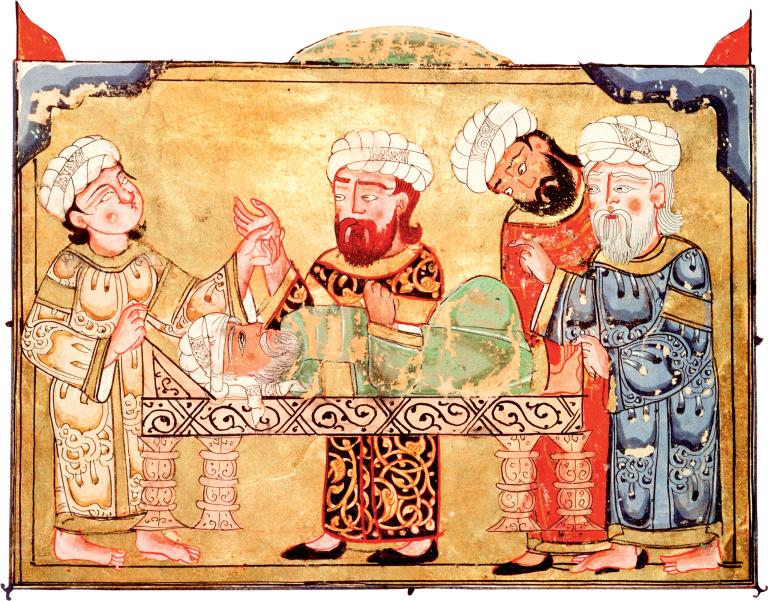
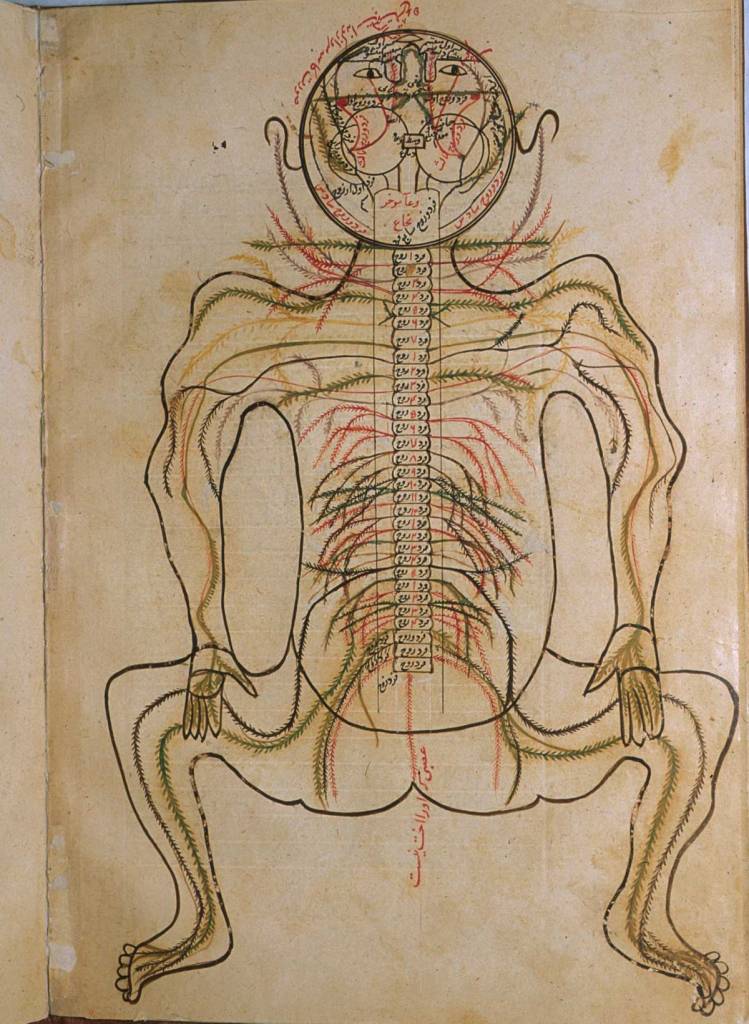

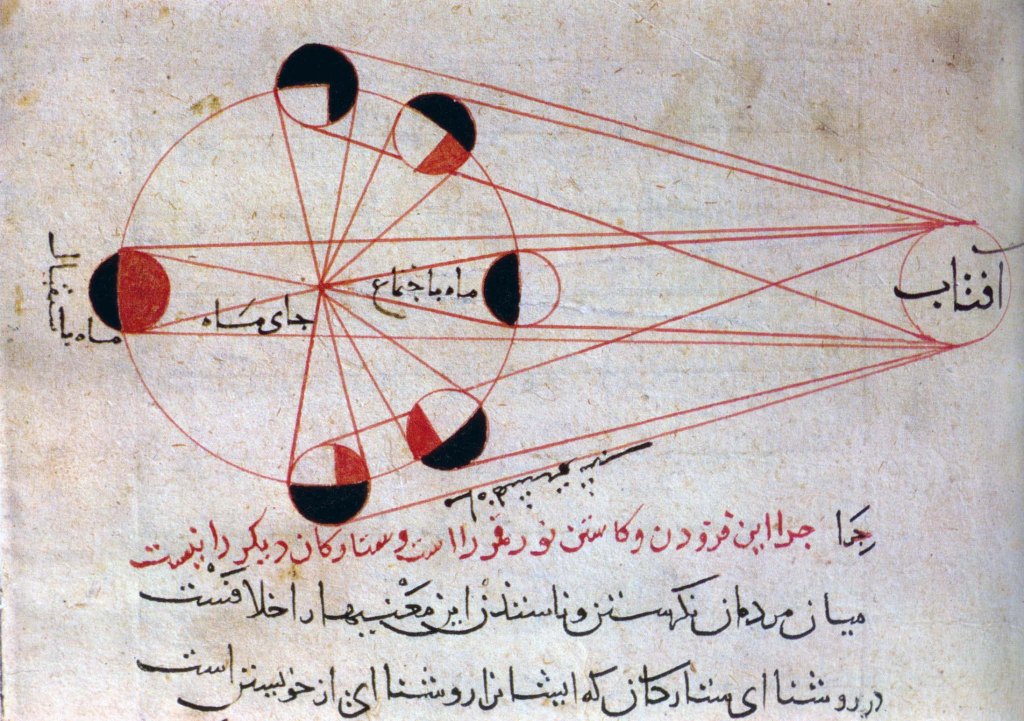
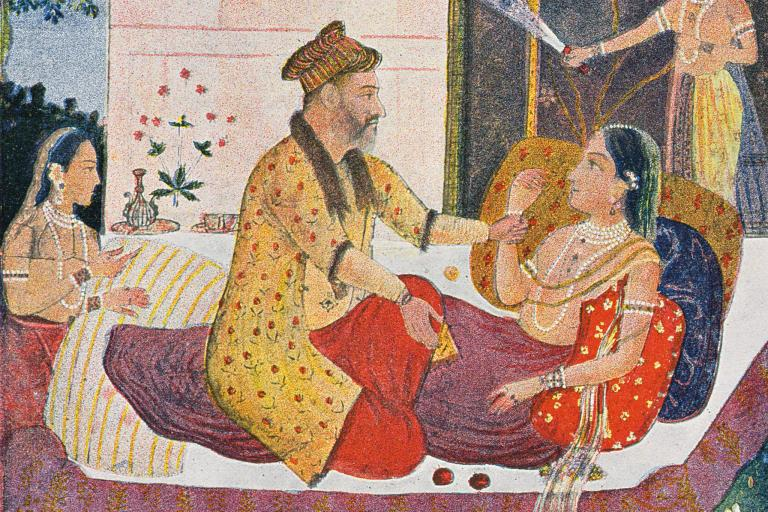


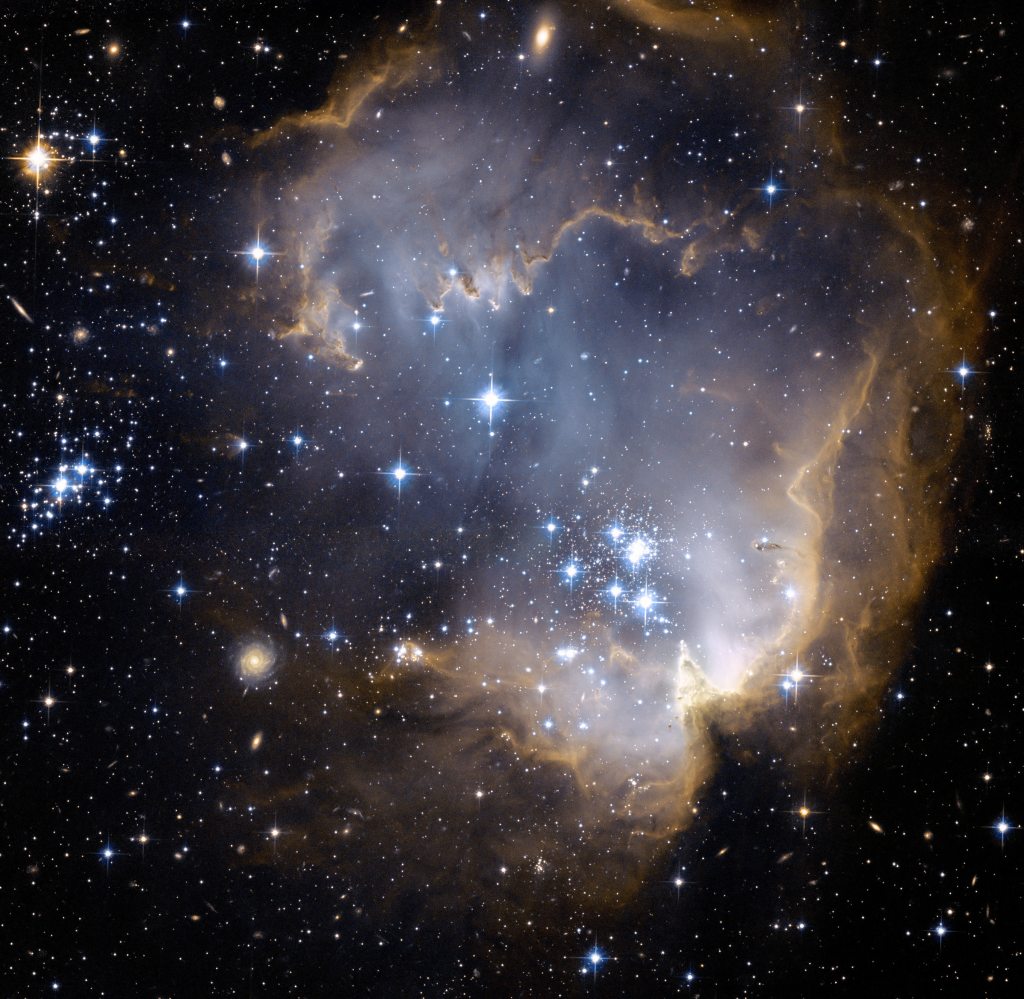

 knowledge everywhere